




Are there any special techniques for using a Straight Flute Step Drill?
 May 15, 2025|
 Hey there, fellow DIY enthusiasts and professionals! As a supplier of Straight Flute Step Drills, I've had my fair share of experiences and insights into these nifty tools. Today, I'm gonna spill the beans on whether there are any special techniques for using a Straight Flute Step Drill.
First off, let's quickly understand what a Straight Flute Step Drill is. It's a unique drill bit with multiple stepped diameters. Unlike regular drill bits, it can create holes of different sizes in one go, which is super handy when you're working on projects that require various hole sizes. And if you're curious about other types of step drills, you can check out the Spiral Flute Step Drill. But for now, we're focusing on the straight flute ones.
Getting the Right Setup
Before you start drilling, it's crucial to get the setup right. The first thing you need to do is choose the right drill. A good quality drill with variable speed control is ideal. This allows you to adjust the speed according to the material you're drilling and the size of the hole you're creating. For softer materials like wood or plastic, you can go with a higher speed. But for harder materials like metal, a slower speed is better to prevent the drill bit from overheating and getting damaged.
Next, you need to secure your workpiece properly. Use clamps or a vise to hold it firmly in place. This not only ensures accurate drilling but also keeps you safe. You don't want the workpiece to move around while you're drilling, as it can cause the drill bit to break or the hole to be off - center.
Marking the Spot
Marking the spot where you want to drill is an important step. Use a center punch to create a small indentation on the workpiece. This helps the drill bit to start in the right place and prevents it from wandering. You can also use a ruler or a measuring tape to mark the exact location of the hole. Make sure your markings are clear and accurate.
Starting the Drill
When you start drilling, apply gentle pressure on the drill. Let the drill bit do the work. Don't force it too hard, especially when you're starting a new step on the drill bit. For the initial hole, start at a slow speed. This allows the drill bit to penetrate the material smoothly. As you move up to larger steps on the drill bit, you can gradually increase the pressure and speed, but still keep it under control.
Drilling Techniques for Different Materials
Wood
Wood is a relatively soft material, so drilling through it with a Straight Flute Step Drill is usually quite easy. You can use a higher speed setting on your drill. As you drill, you'll notice that the chips come out easily. However, be careful not to drill too fast, as it can cause the wood to splinter. To prevent splintering, you can place a scrap piece of wood under the workpiece. This will support the wood as the drill bit exits, reducing the chances of splintering.
Plastic
Plastic is another material that can be drilled with a Straight Flute Step Drill. Similar to wood, you can use a higher speed. But plastic can melt if the drill bit gets too hot. To avoid this, use a lubricant like water or a cutting oil. This will keep the drill bit cool and help the chips to come out smoothly. Also, make sure to drill at a steady pace to prevent the plastic from cracking.
Metal
Drilling through metal is a bit more challenging. You need to use a slower speed and apply more pressure. Metal can be tough on the drill bit, so it's important to use a high - speed steel (HSS) Straight Flute Step Drill. These drill bits are designed to withstand the heat and pressure generated when drilling through metal. As you drill, you'll need to use a cutting oil to lubricate the drill bit and reduce friction. This will not only make the drilling process easier but also extend the life of the drill bit.

Clearing the Chips
One of the key things to keep in mind when using a Straight Flute Step Drill is to clear the chips regularly. As you drill, chips can build up in the flutes of the drill bit. This can cause the drill bit to overheat and reduce its efficiency. To clear the chips, simply pull the drill bit out of the hole every few seconds. You can also use a brush to remove any stubborn chips from the flutes.
Maintaining Your Straight Flute Step Drill
Proper maintenance is essential to keep your Straight Flute Step Drill in good condition. After each use, clean the drill bit with a brush to remove any chips and debris. You can also use a solvent to clean it more thoroughly. Make sure to dry the drill bit completely before storing it.
Store your drill bit in a dry place, preferably in a drill bit case. This will protect it from damage and prevent it from getting rusty. If you notice that the drill bit is getting dull, you can sharpen it using a drill bit sharpener. However, if the drill bit is severely damaged, it's best to replace it.
Advantages of Using a Straight Flute Step Drill
There are several advantages to using a Straight Flute Step Drill. Firstly, as I mentioned earlier, it can create holes of different sizes in one pass. This saves you time and effort, especially when you're working on projects that require multiple hole sizes. Secondly, it provides a clean and accurate hole. The stepped design of the drill bit ensures that the holes are consistent in size and shape.
Another advantage is that it's very versatile. You can use it on a variety of materials, including wood, plastic, and metal. Whether you're a DIYer working on a home project or a professional in a workshop, a Straight Flute Step Drill is a valuable tool to have in your arsenal. If you're interested in getting your hands on a Straight Flute Step Drill, keep reading to find out how you can get in touch.
Conclusion and Call to Action
In conclusion, there are definitely some special techniques for using a Straight Flute Step Drill. From getting the right setup to drilling through different materials and maintaining the drill bit, each step plays an important role in ensuring a successful drilling experience.
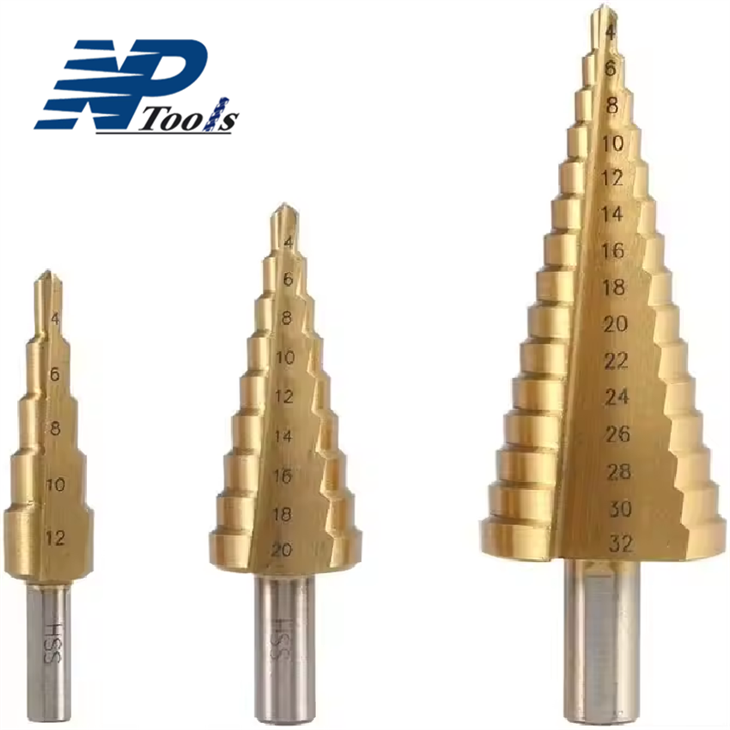
If you're in the market for high - quality Straight Flute Step Drills, I'd love to have a chat with you. Whether you're a small - scale DIYer or a large - scale industrial user, I can provide you with the right drill bits for your needs. Don't hesitate to reach out to discuss your requirements and start a purchase negotiation. I'm here to help you find the perfect Straight Flute Step Drill for your projects.
References
- Machinery's Handbook: A comprehensive guide to machining processes, including drilling techniques.
- Woodworking Magazine: Articles on woodworking tools and techniques, with insights on using step drills.
- Metalworking Forums: Online communities where professionals share their experiences and tips on drilling through metal.