




Can a spiral flute step drill be used for aluminum drilling?
 Jan 19, 2026|
 As a supplier of Spiral Flute Step Drills, I often encounter inquiries from customers regarding the suitability of our products for specific materials. One common question is whether a spiral flute step drill can be used for aluminum drilling. In this blog post, I will delve into the characteristics of spiral flute step drills, the properties of aluminum, and analyze the feasibility and advantages of using spiral flute step drills for aluminum drilling.
Understanding Spiral Flute Step Drills
A spiral flute step drill is a specialized cutting tool designed with a series of stepped diameters along its length. The spiral flutes play a crucial role in the drilling process. They are helically shaped grooves that run along the body of the drill. These flutes serve multiple purposes. Firstly, they help in chip evacuation. As the drill cuts through the material, the chips are formed and need to be removed from the hole to prevent clogging, which can lead to overheating and poor drilling performance. The spiral shape of the flutes guides the chips out of the hole efficiently. Secondly, the spiral flutes also contribute to the cutting action. They provide a smooth and continuous cutting edge, which helps in reducing the cutting force required and improving the surface finish of the drilled hole.
Spiral flute step drills are typically made from high - speed steel (HSS) or carbide. HSS is a popular choice due to its good combination of hardness, toughness, and cost - effectiveness. Carbide, on the other hand, offers higher hardness and wear resistance, making it suitable for more demanding applications. You can find more information about our Spiral Flute Step Drill on our website.
Properties of Aluminum
Aluminum is a widely used metal in various industries due to its numerous advantageous properties. It is lightweight, with a density approximately one - third that of steel. This makes it ideal for applications where weight reduction is crucial, such as in the aerospace and automotive industries. Aluminum also has excellent corrosion resistance, which is attributed to the formation of a thin, protective oxide layer on its surface. Additionally, it has good thermal and electrical conductivity, making it suitable for heat exchangers and electrical components.
However, aluminum also presents some challenges when it comes to drilling. It is a relatively soft metal, which means it can easily deform during the drilling process. Moreover, aluminum has a tendency to stick to the cutting edges of the drill, leading to built - up edge (BUE) formation. BUE can cause poor surface finish, increased cutting forces, and premature tool wear.
Can a Spiral Flute Step Drill be Used for Aluminum Drilling?
The answer is yes, a spiral flute step drill can be effectively used for aluminum drilling. Here are the reasons:
1. Chip Evacuation
As mentioned earlier, one of the key functions of the spiral flutes is chip evacuation. Aluminum chips are often long and stringy, and if not removed properly, they can cause problems such as clogging the drill flutes and overheating the drill. The spiral flutes of a step drill are designed to lift the chips out of the hole as the drill rotates. This ensures a smooth drilling process and reduces the risk of chip - related issues.
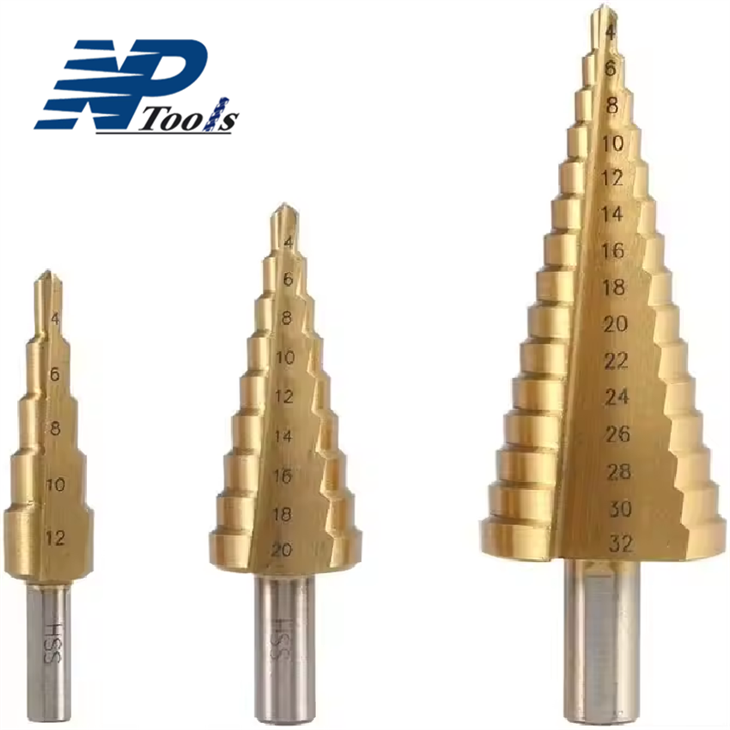

2. Reduced Cutting Forces
The spiral flutes provide a continuous and smooth cutting action. When drilling aluminum, the reduced cutting forces are beneficial because aluminum is a soft metal that can deform easily. Lower cutting forces help in preventing the aluminum from deforming excessively and ensure a more accurate hole diameter.
3. Improved Surface Finish
The smooth cutting action of the spiral flute step drill also contributes to a better surface finish of the drilled hole. Since aluminum is prone to BUE formation, a drill that can cut cleanly and minimize the contact between the drill and the aluminum can reduce the occurrence of BUE. This results in a hole with a smoother surface, which is often required in many applications.
Comparison with Straight Flute Step Drills
Another type of step drill is the Straight Flute Step Drill. While straight flute step drills have their own advantages, such as better rigidity in some cases, they may not be as suitable for aluminum drilling as spiral flute step drills.
Straight flutes are less effective in chip evacuation compared to spiral flutes. When drilling aluminum, the long and stringy chips can get stuck in the straight flutes, leading to clogging and poor drilling performance. In contrast, the spiral flutes can easily carry the chips out of the hole.
Tips for Using Spiral Flute Step Drills for Aluminum Drilling
To achieve the best results when using a spiral flute step drill for aluminum drilling, here are some tips:
1. Use the Right Speed and Feed
The cutting speed and feed rate are crucial parameters in the drilling process. For aluminum, a relatively high cutting speed and a moderate feed rate are generally recommended. However, the exact values may vary depending on the specific grade of aluminum, the drill diameter, and the machine being used. It is advisable to refer to the drill manufacturer's recommendations or conduct some test runs to determine the optimal speed and feed.
2. Apply Cutting Fluid
Using a suitable cutting fluid can significantly improve the drilling process. Cutting fluid helps in cooling the drill, reducing friction, and preventing BUE formation. For aluminum drilling, a water - soluble cutting fluid is often a good choice. It can provide effective cooling and lubrication while being environmentally friendly.
3. Check the Drill for Wear
Regularly inspect the drill for signs of wear, such as dull cutting edges or excessive wear on the flutes. A worn - out drill can lead to poor drilling performance, increased cutting forces, and reduced hole quality. Replace the drill when necessary to ensure consistent results.
Conclusion
In conclusion, a spiral flute step drill is a viable and effective tool for aluminum drilling. Its unique design features, such as the spiral flutes for chip evacuation and smooth cutting action, make it well - suited for the challenges presented by aluminum. By following the appropriate drilling parameters and using the right techniques, you can achieve high - quality holes in aluminum with a spiral flute step drill.
If you are interested in our Spiral Flute Step Drills or have any questions about using them for aluminum drilling, please feel free to contact us for more information and to discuss your specific requirements. We are committed to providing you with the best products and solutions for your drilling needs.
References
- "Machining of Aluminum Alloys", ASM International Handbook Committee, ASM International
- "Cutting Tool Technology", Kalpakjian, S. and Schmid, S.R., Pearson Prentice Hall