




Can a spiral flute step drill be used for magnesium drilling?
 Jun 18, 2025|
 As a supplier of Spiral Flute Step Drills, I often receive inquiries from customers about the suitability of our products for various materials. One question that comes up frequently is whether a spiral flute step drill can be used for magnesium drilling. In this blog post, I will explore this topic in detail, discussing the properties of magnesium, the features of spiral flute step drills, and the considerations for using them in magnesium drilling applications.
Properties of Magnesium
Magnesium is a lightweight and highly reactive metal with a density of approximately 1.74 g/cm³, making it one of the lightest structural metals available. It has excellent strength-to-weight ratio, good thermal conductivity, and high machinability. However, magnesium also has some unique properties that need to be considered when drilling.
One of the main challenges with magnesium is its high reactivity. Magnesium can ignite easily when exposed to heat, sparks, or flames, which can pose a significant safety hazard during drilling operations. Additionally, magnesium chips and dust can be highly combustible, so proper ventilation and fire prevention measures are essential.
Another property of magnesium is its relatively low melting point of 650°C. This means that excessive heat generated during drilling can cause the magnesium to melt or deform, leading to poor hole quality and tool wear. Therefore, it is crucial to control the cutting temperature and use appropriate cutting fluids to dissipate heat and lubricate the cutting process.
Features of Spiral Flute Step Drills
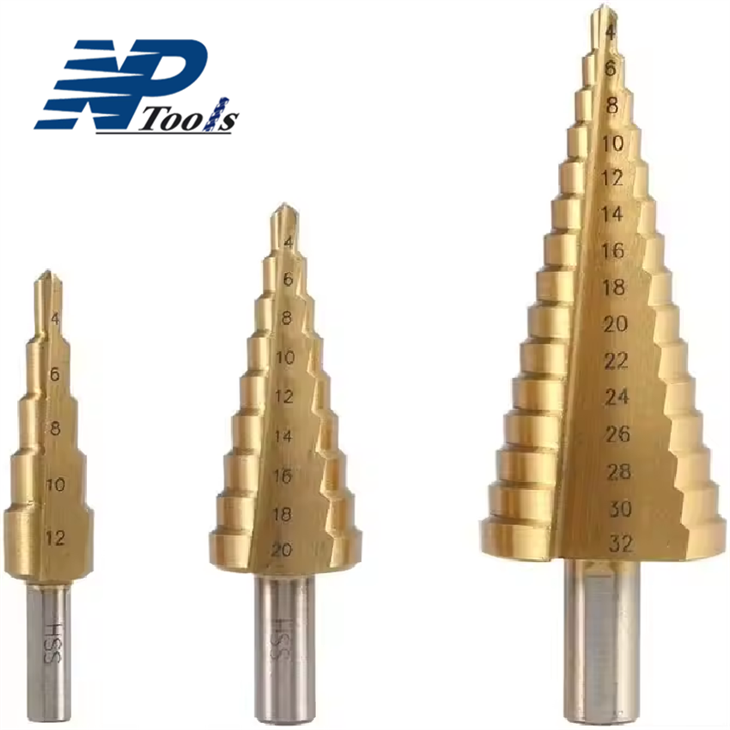
Spiral flute step drills are designed with a series of stepped diameters that allow for the creation of multiple hole sizes in a single operation. They are typically made from high-speed steel (HSS) or carbide, which provides good cutting performance and durability. The spiral flutes on these drills help to evacuate chips from the hole, reducing the risk of chip clogging and improving the cutting efficiency.
One of the key advantages of spiral flute step drills is their ability to produce clean and precise holes with smooth walls. The stepped design allows for a gradual increase in hole diameter, which helps to reduce the cutting forces and minimize the risk of burring or chipping. Additionally, the spiral flutes provide a helical path for the chips to exit the hole, which helps to prevent chip recutting and improve the surface finish.
Another feature of spiral flute step drills is their versatility. They can be used for a wide range of materials, including metals, plastics, and wood. They are particularly suitable for applications where multiple hole sizes are required, such as in electrical and plumbing installations, automotive manufacturing, and aerospace engineering.
Considerations for Using Spiral Flute Step Drills in Magnesium Drilling
While spiral flute step drills can be used for magnesium drilling, there are several considerations that need to be taken into account to ensure safe and effective operation.
Safety Precautions
As mentioned earlier, magnesium is a highly reactive metal that can ignite easily. Therefore, it is essential to take appropriate safety precautions when drilling magnesium. This includes using a well-ventilated workspace, wearing protective clothing and equipment, and having a fire extinguisher readily available.
It is also important to avoid using excessive cutting speeds or feeds, as this can generate too much heat and increase the risk of ignition. Instead, use a slow and steady cutting speed and a light feed rate to minimize the cutting forces and control the temperature.
Cutting Fluids
Using a suitable cutting fluid is crucial when drilling magnesium. Cutting fluids help to dissipate heat, lubricate the cutting process, and reduce the risk of chip ignition. They also help to improve the surface finish and extend the tool life.
When selecting a cutting fluid for magnesium drilling, it is important to choose one that is specifically designed for use with magnesium. Avoid using cutting fluids that contain chlorine or sulfur, as these can react with magnesium and cause corrosion. Instead, use a water-soluble cutting fluid that is formulated with a high percentage of lubricants and coolants.

Tool Selection
Choosing the right spiral flute step drill for magnesium drilling is also important. Look for a drill that is made from high-speed steel or carbide, as these materials provide good cutting performance and durability. The drill should also have a sharp cutting edge and a well-designed flute geometry to ensure efficient chip evacuation.
It is also recommended to use a drill with a coating, such as titanium nitride (TiN) or titanium aluminum nitride (TiAlN). These coatings can help to reduce friction, improve the wear resistance, and extend the tool life.
Cutting Parameters
The cutting parameters, such as cutting speed, feed rate, and depth of cut, also need to be carefully selected when drilling magnesium. The cutting speed should be relatively low to prevent excessive heat generation and reduce the risk of ignition. A recommended cutting speed for magnesium drilling is between 30 and 60 m/min.
The feed rate should also be light to minimize the cutting forces and prevent the drill from binding or breaking. A recommended feed rate for magnesium drilling is between 0.05 and 0.1 mm/rev.
The depth of cut should be limited to avoid overloading the drill and causing excessive wear. A recommended depth of cut for magnesium drilling is between 1 and 2 mm.
Conclusion
In conclusion, a spiral flute step drill can be used for magnesium drilling, but it is important to take appropriate safety precautions and follow the recommended guidelines. By using the right drill, cutting fluid, and cutting parameters, you can achieve safe and effective magnesium drilling results.
If you are interested in purchasing spiral flute step drills for your magnesium drilling applications, please visit our website at Spiral Flute Step Drill to view our product range. We also offer a variety of Straight Flute Step Drill for other drilling applications. If you have any questions or need further assistance, please do not hesitate to contact us. We are always happy to help you find the right drilling solution for your needs.
References
- ASM Handbook, Volume 6: Welding, Brazing, and Soldering. ASM International, 1993.
- Machining Data Handbook, Volume 1. Metcut Research Associates, Inc., 1980.
- Magnesium: Properties, Processing, and Applications. ASM International, 2007.