




Can a spiral flute step drill be used for tungsten drilling?
 Sep 17, 2025|
 Hey there! As a supplier of Spiral Flute Step Drills, I often get asked a whole bunch of questions about what these drills can and can't do. One question that's been popping up a lot lately is, "Can a spiral flute step drill be used for tungsten drilling?" Well, let's dive right into it and find out.
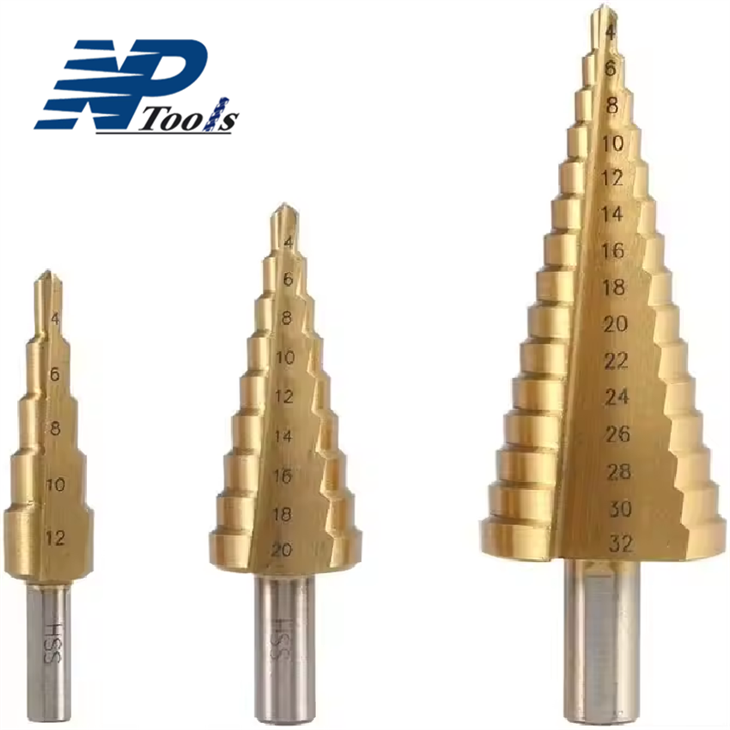
First off, let's talk a bit about what a spiral flute step drill is. A Spiral Flute Step Drill is a pretty nifty tool. It has a unique design with multiple steps of different diameters along its length. This allows you to drill holes of various sizes in a single pass, which is super convenient. The spiral flutes on the drill help to remove chips from the hole as you're drilling, preventing clogging and making the drilling process smoother.
Now, let's get to tungsten. Tungsten is one tough cookie. It's a very hard and dense metal with a high melting point. It's commonly used in a variety of industries, like electronics, aerospace, and even in some types of jewelry. Because of its hardness, drilling tungsten can be a real challenge. You need a drill that's up to the task.
So, can a spiral flute step drill handle tungsten? The answer is... it depends. There are a few factors to consider.
Drill Material
The material of the drill is crucial. Most spiral flute step drills are made from high - speed steel (HSS). HSS is a popular choice because it's relatively inexpensive and can handle a wide range of materials. However, when it comes to tungsten, HSS might not be the best option. Tungsten is so hard that it can quickly wear down an HSS drill, dulling the cutting edges and reducing the drill's effectiveness.
For drilling tungsten, you're better off with a drill made from carbide. Carbide is much harder than HSS and can withstand the high pressures and temperatures generated when drilling tungsten. Some spiral flute step drills are available in carbide, and these are a much better bet for tungsten drilling.
Drill Design
The design of the spiral flute step drill also plays a role. The spiral flutes are great for chip removal, but they need to be designed properly to handle the unique properties of tungsten. The flute pitch, or the distance between the flutes, needs to be optimized to ensure efficient chip evacuation. If the chips can't be removed quickly, they can build up in the hole, causing the drill to overheat and potentially break.
Also, the point angle of the drill is important. A sharper point angle can help the drill penetrate the tungsten more easily. However, it also needs to be strong enough to withstand the forces involved in drilling such a hard material.
Cutting Speed and Feed Rate
When drilling tungsten with a spiral flute step drill, you need to pay close attention to the cutting speed and feed rate. The cutting speed is how fast the drill rotates, and the feed rate is how quickly the drill is pushed into the material.
Because tungsten is so hard, you'll need to use a slower cutting speed than you would with softer materials. This helps to prevent the drill from overheating and wearing out too quickly. The feed rate also needs to be carefully controlled. You don't want to push the drill in too fast, as this can cause the drill to break, but you also don't want to go too slowly, or the drill will just rub against the material without cutting effectively.
Advantages of Using a Spiral Flute Step Drill for Tungsten Drilling
If you've got the right drill (made from carbide and with the proper design), there are some advantages to using a spiral flute step drill for tungsten drilling.
One big advantage is the ability to drill multiple hole sizes in one pass. This can save a lot of time, especially if you're working on a project where you need different - sized holes in the tungsten. Instead of having to switch between different drills, you can just adjust the depth of the drill and get the size you need.
The spiral flutes also help to keep the drill cool. As the chips are removed from the hole, they take some of the heat with them. This can extend the life of the drill and improve the quality of the hole.
Comparison with Straight Flute Step Drills
You might be wondering how spiral flute step drills compare to Straight Flute Step Drills when it comes to tungsten drilling. Straight flute step drills have a simpler design, with straight flutes instead of spiral ones.
Straight flute step drills are generally better for materials that produce long, stringy chips. However, for tungsten, the spiral flute step drill has an edge. The spiral flutes are more effective at removing the small, hard chips that are produced when drilling tungsten. They also provide better stability and control during the drilling process.
Tips for Using a Spiral Flute Step Drill on Tungsten
If you decide to give it a go and use a spiral flute step drill for tungsten drilling, here are some tips to help you out:
- Lubrication: Use a high - quality lubricant. This will help to reduce friction, keep the drill cool, and extend its life. There are special lubricants available for metal drilling, and you should choose one that's suitable for tungsten.
- Start Slow: Begin with a slow cutting speed and a low feed rate. This will allow the drill to gradually penetrate the tungsten without putting too much stress on the drill. As the drill gets deeper into the material, you can gradually increase the speed and feed rate, but be careful not to overdo it.
- Check the Drill Regularly: Keep an eye on the drill for signs of wear. If the cutting edges start to look dull or if the drill is vibrating excessively, it might be time to replace it.
Conclusion
In conclusion, a spiral flute step drill can be used for tungsten drilling, but you need to choose the right drill and use it correctly. Make sure you get a carbide - tipped drill, pay attention to the cutting speed and feed rate, and use proper lubrication. With the right approach, you can achieve good results and save time by using a single drill to create multiple hole sizes in tungsten.
If you're in the market for a spiral flute step drill for your tungsten - drilling needs, or if you have any other questions about our products, don't hesitate to reach out. We're here to help you find the perfect drill for your project. Whether you're a professional in the manufacturing industry or a DIY enthusiast, we've got the tools you need. Contact us today to start a conversation about your procurement needs.

References
- "Machining of Tungsten and Tungsten Alloys" - Metal Machining Handbook
- "Drill Bit Selection and Application Guide" - Industry Standard Publication