




Can a Straight Flute Step Drill be used for drilling in fiberglass?
 Oct 29, 2025|
As a supplier of Straight Flute Step Drills, I often receive inquiries about the suitability of our products for various materials. One question that comes up frequently is whether a Straight Flute Step Drill can be used for drilling in fiberglass. In this blog post, I'll delve into this topic, exploring the characteristics of fiberglass, the features of Straight Flute Step Drills, and the practicality of using them for fiberglass drilling.
Understanding Fiberglass
Fiberglass is a composite material made of fine glass fibers embedded in a resin matrix. It is known for its high strength - to - weight ratio, corrosion resistance, and electrical insulation properties. These qualities make it a popular choice in industries such as aerospace, automotive, marine, and construction. However, fiberglass also presents unique challenges when it comes to drilling.
The glass fibers in fiberglass are extremely hard and abrasive. When drilling, these fibers can cause rapid wear on drill bits. Additionally, fiberglass is prone to delamination, which is the separation of the layers in the composite material. Delamination can occur at the entrance or exit of the drilled hole, leading to a poor - quality finish and potentially compromising the structural integrity of the material.
Features of Straight Flute Step Drills
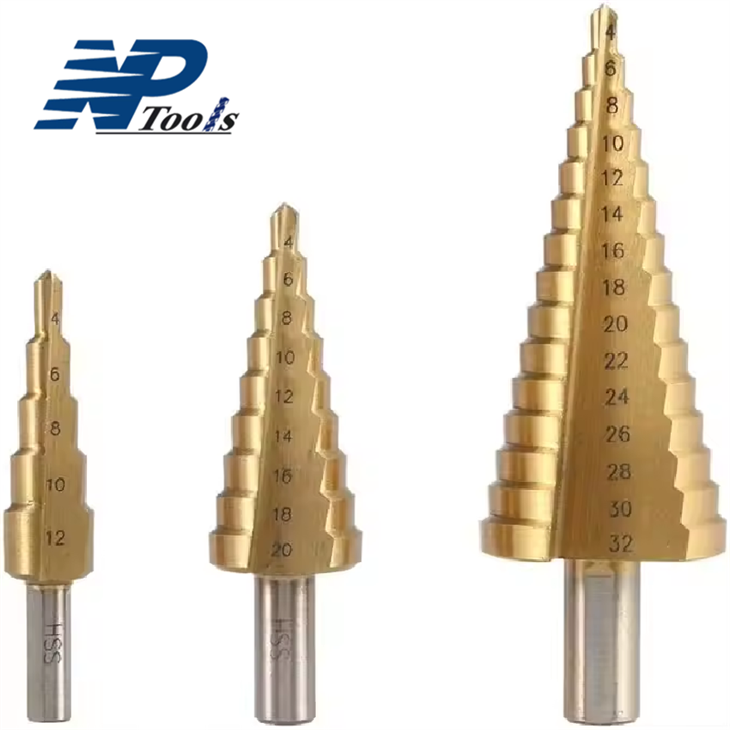
Before discussing their use on fiberglass, let's understand the key features of Straight Flute Step Drills. A Straight Flute Step Drill is a type of drill bit that has multiple steps of different diameters along its length. This design allows for drilling holes of various sizes in a single operation, eliminating the need to change drill bits frequently.
The straight flutes on these drills are designed to provide efficient chip removal. As the drill bit cuts through the material, the chips are pushed up the flutes and out of the hole. Straight flutes also offer good stability during drilling, which can result in more accurate hole placement.
Using Straight Flute Step Drills on Fiberglass
When it comes to using Straight Flute Step Drills on fiberglass, there are both advantages and limitations.
Advantages
- Versatility: The ability to drill multiple hole sizes with a single drill bit is a significant advantage. In fiberglass applications, different hole sizes may be required for various components or assembly processes. With a Straight Flute Step Drill, operators can quickly switch between hole sizes without the hassle of changing drill bits, saving time and increasing productivity.
- Stability: The straight flute design provides good stability during drilling. This is crucial when working with fiberglass, as it helps to prevent wandering of the drill bit and ensures more precise hole placement. Precise holes are essential for maintaining the structural integrity of fiberglass components and for proper fitting of parts.
Limitations
- Abrasion Resistance: As mentioned earlier, fiberglass is an abrasive material. The glass fibers can wear down the cutting edges of the drill bit relatively quickly. Straight Flute Step Drills, especially those made of standard high - speed steel (HSS), may not have sufficient abrasion resistance to withstand the constant wear from fiberglass drilling. This can lead to a shorter tool life and the need for frequent bit replacement.
- Delamination Risk: While the straight flutes are good for chip removal, they may not be the best design for minimizing delamination in fiberglass. The cutting action of the drill bit can cause the glass fibers to separate from the resin matrix, especially at the exit of the hole. This can result in a rough, uneven hole surface and a compromised appearance and performance of the fiberglass component.
Mitigating the Challenges
To overcome the limitations of using Straight Flute Step Drills on fiberglass, several strategies can be employed.

Bit Material
Using drill bits made of more abrasion - resistant materials can significantly extend the tool life. For example, cobalt - alloyed high - speed steel (HSS - Co) or carbide - tipped Straight Flute Step Drills offer better resistance to the abrasive glass fibers in fiberglass. These materials can withstand higher temperatures and maintain their cutting edges for longer periods, reducing the frequency of bit replacement.
Drilling Parameters
Adjusting the drilling parameters is also crucial. A lower feed rate and a higher spindle speed can help to reduce the risk of delamination. A slow feed rate allows the drill bit to cut through the fiberglass more gently, while a high spindle speed ensures that the cutting edges are constantly engaged with the material, reducing the likelihood of the fibers pulling apart.
Backing Material
Placing a backing material, such as a piece of wood or plastic, behind the fiberglass workpiece can help to prevent delamination at the exit of the hole. The backing material provides support to the fiberglass as the drill bit breaks through, reducing the stress on the fibers and minimizing the risk of separation.
Comparison with Spiral Flute Step Drills
Another option for drilling fiberglass is the Spiral Flute Step Drill. Spiral flutes are designed to provide a more aggressive cutting action and better chip evacuation compared to straight flutes.
- Cutting Action: Spiral Flute Step Drills tend to cut through fiberglass more smoothly, as the spiral flutes help to guide the chips out of the hole more efficiently. This can result in a cleaner hole and less risk of chip clogging, which can lead to overheating and premature bit wear.
- Delamination: The spiral design can also help to reduce delamination. The continuous spiral of the flutes provides a more gradual cutting action, which is less likely to cause the glass fibers to separate from the resin matrix.
However, Spiral Flute Step Drills may not offer the same level of stability as Straight Flute Step Drills, especially when drilling larger - diameter holes. The choice between the two types of drills depends on the specific requirements of the fiberglass application.
Conclusion
In conclusion, a Straight Flute Step Drill can be used for drilling in fiberglass, but it comes with its own set of challenges. The versatility and stability of these drills make them a viable option, especially when multiple hole sizes are required. However, the abrasion resistance and delamination issues need to be addressed through proper bit selection, adjustment of drilling parameters, and the use of backing materials.
If you are in the market for high - quality Straight Flute Step Drills for your fiberglass drilling needs, we are here to help. Our team of experts can provide you with the right advice on bit selection and drilling techniques to ensure optimal results. Whether you are a small - scale workshop or a large - scale manufacturing facility, we have the products and knowledge to meet your requirements. Contact us today to start a discussion about your specific needs and to explore how our Straight Flute Step Drills can enhance your fiberglass drilling operations.
References
- "Composite Materials Handbook", ASM International
- "Drilling of Fiberglass - Reinforced Plastics: A Review", Journal of Materials Processing Technology