




Do HSS step drills require lubrication during use?
 Dec 19, 2025|
 Do HSS step drills require lubrication during use?
Hey there! As a supplier of HSS (High-Speed Steel) step drills, I often get asked this question: Do HSS step drills require lubrication during use? Well, let's dive into this topic and break it down.
First off, let's understand what HSS step drills are. These are really handy tools. They can drill holes of different diameters in one go, which makes them super useful in a variety of applications, from metalworking to woodworking. You can find both Straight Flute Step Drill and Spiral Flute Step Drill in the market, each with its own set of advantages.
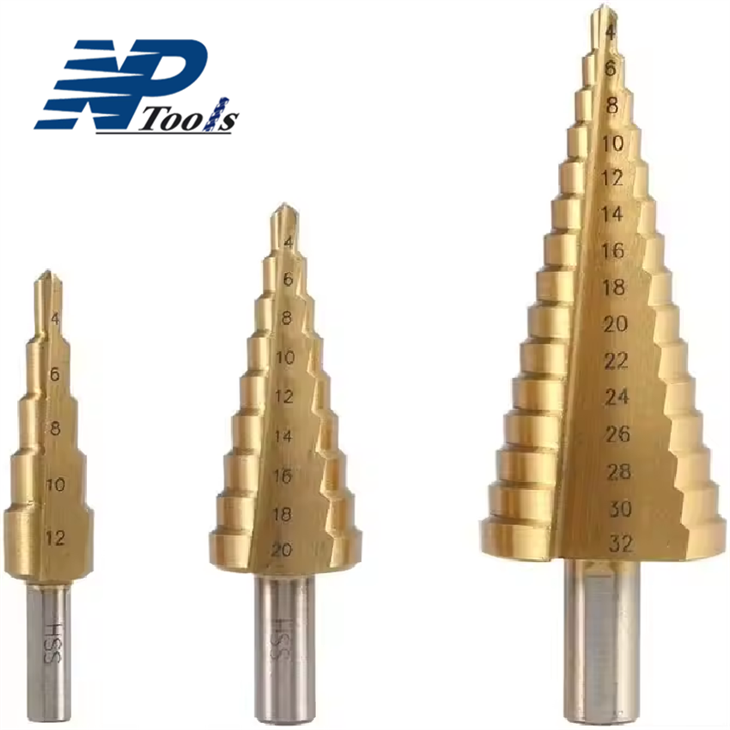

Now, back to the question of lubrication. The short answer is, in most cases, yes, HSS step drills do benefit from lubrication during use. But let's explore why.
Why lubrication is important for HSS step drills
Reducing friction
When you're using a step drill, there's a lot of friction between the drill bit and the material you're drilling into. This friction generates heat. And too much heat can be a real problem for your HSS step drill. HSS is a great material, but it has its limits. Excessive heat can cause the drill bit to lose its hardness, which means it won't cut as effectively. It can also lead to premature wear and tear, shortening the lifespan of your drill bit. Lubrication acts as a barrier between the drill bit and the material, reducing friction and thus keeping the heat in check.
Improving chip evacuation
Another important function of lubrication is to help with chip evacuation. As you drill, chips are created. If these chips aren't removed properly, they can clog the drill bit, making it difficult to drill and potentially damaging the bit. Lubrication helps to flush these chips away, allowing the drill bit to work smoothly.
Achieving a better finish
Lubrication can also improve the finish of the hole you're drilling. Without lubrication, the drill bit may cause rough edges or burrs on the hole. But with the right lubricant, you can get a cleaner, smoother hole, which is especially important in applications where precision is key.
Types of lubricants for HSS step drills
There are different types of lubricants you can use with HSS step drills, and the choice depends on the material you're drilling into.
For metal
When drilling into metal, cutting oil is a popular choice. Cutting oil is specially formulated to reduce friction and heat when working with metal. It can be applied directly to the drill bit or the material being drilled. There are also soluble oils that can be mixed with water, which are more environmentally friendly and easier to clean up.
For wood
For woodworking, you might not need as heavy-duty a lubricant as for metal. Wax or a light lubricating oil can be sufficient. These can help the drill bit glide through the wood more easily, reducing friction and preventing the wood from burning.
For plastic
When drilling plastic, a silicone-based lubricant can be a good option. It helps to reduce friction and prevent the plastic from melting due to the heat generated during drilling.
How to apply lubrication
Applying lubrication properly is just as important as choosing the right lubricant. Here are some tips:
- Before drilling: Apply a small amount of lubricant to the drill bit. You can use a brush or a cloth to do this. Make sure the entire cutting edge of the drill bit is covered.
- During drilling: For longer drilling jobs, you may need to reapply the lubricant periodically. You can either stop the drilling and apply more lubricant to the bit or use a lubricant that can be fed continuously during the drilling process.
- After drilling: Clean the drill bit to remove any leftover lubricant and chips. This will help to keep the drill bit in good condition and ready for the next use.
When lubrication might not be necessary
There are some cases where lubrication might not be absolutely necessary. For example, if you're doing a very short, small-scale drilling job in a soft material like thin wood or some types of plastic, the heat generated may be minimal. In such cases, you might be able to get away without using lubrication. However, even in these situations, using a little lubricant can still improve the performance and lifespan of your drill bit.
Conclusion
In conclusion, while it's possible to use HSS step drills without lubrication in certain situations, in most cases, lubrication is highly recommended. It helps to reduce friction, improve chip evacuation, and achieve a better finish. Whether you're using a Straight Flute Step Drill or a Spiral Flute Step Drill, taking the time to lubricate your drill bit can save you money in the long run by extending its lifespan and improving its performance.
If you're in the market for high-quality HSS step drills or have any questions about their use and maintenance, don't hesitate to reach out. We're here to help you make the most of your drilling projects. Contact us today to start a discussion about your procurement needs.
References
- Machinery's Handbook: A comprehensive reference for machining and manufacturing processes.
- Drill Bit Manufacturer's Guides: Information provided by manufacturers on the proper use and care of drill bits.