




How does a Straight Flute Step Drill work?
 Oct 24, 2025|
A straight flute step drill is a specialized cutting tool widely used in various industries for creating holes of different diameters in a single operation. As a supplier of straight flute step drills, I am often asked about how these remarkable tools work. In this blog post, I will delve into the mechanics of a straight flute step drill, its design features, and the advantages it offers.
Design and Structure of a Straight Flute Step Drill
The straight flute step drill has a unique design that sets it apart from traditional drill bits. It typically consists of a series of steps or increments along its length, each with a different diameter. These steps are precisely machined to create a smooth and accurate transition from one diameter to the next. The body of the drill is usually made of high-speed steel (HSS) or cobalt steel, which provides excellent durability and heat resistance.
The straight flutes on the drill play a crucial role in its performance. Unlike spiral flutes found in other drill bits, straight flutes run parallel to the axis of the drill. This design allows for efficient chip evacuation, preventing chips from clogging the drill and reducing the risk of overheating. The straight flutes also provide better control and stability during the drilling process, resulting in cleaner and more precise holes.
How a Straight Flute Step Drill Works
The operation of a straight flute step drill is relatively straightforward. When the drill is inserted into a workpiece and rotated, the cutting edges on each step engage with the material, gradually removing it to create a hole. As the drill advances, each step cuts a larger diameter than the previous one, allowing for the creation of holes with multiple diameters in a single pass.
One of the key advantages of a straight flute step drill is its ability to create holes without the need for multiple drill bits. This not only saves time but also reduces the risk of misalignment and inaccuracies that can occur when using multiple drills. The smooth transition between steps ensures a consistent and precise hole size, making it ideal for applications where accuracy is critical.
Advantages of Using a Straight Flute Step Drill
There are several advantages to using a straight flute step drill over traditional drill bits. Here are some of the key benefits:
- Versatility: A straight flute step drill can create holes of different diameters in a single operation, eliminating the need for multiple drill bits. This makes it a versatile tool that can be used in a wide range of applications, from woodworking and metalworking to plumbing and electrical work.
- Efficiency: By eliminating the need for multiple drill bits and reducing the number of drilling operations, a straight flute step drill can significantly improve productivity. It allows for faster hole creation, reducing downtime and increasing overall efficiency.
- Accuracy: The precise design of a straight flute step drill ensures consistent and accurate hole sizes. The smooth transition between steps eliminates the risk of step marks or uneven edges, resulting in clean and professional-looking holes.
- Chip Evacuation: The straight flutes on a step drill provide efficient chip evacuation, preventing chips from clogging the drill and reducing the risk of overheating. This helps to prolong the life of the drill and ensures smooth and consistent drilling performance.
- Cost-Effective: While a straight flute step drill may be more expensive than a traditional drill bit, its versatility and efficiency make it a cost-effective investment in the long run. By reducing the need for multiple drill bits and improving productivity, it can save both time and money.
Applications of Straight Flute Step Drills
Straight flute step drills are used in a variety of industries and applications. Some of the common uses include:
- Woodworking: In woodworking, straight flute step drills are used to create holes for dowels, screws, and other fasteners. They are also used for creating holes in furniture, cabinets, and other wooden structures.
- Metalworking: In metalworking, straight flute step drills are used for drilling holes in sheet metal, aluminum, steel, and other metals. They are commonly used in automotive, aerospace, and manufacturing industries.
- Plumbing: In plumbing, straight flute step drills are used for drilling holes in pipes, fittings, and other plumbing components. They are also used for creating holes in walls and floors for plumbing installations.
- Electrical Work: In electrical work, straight flute step drills are used for drilling holes in electrical boxes, panels, and other electrical components. They are also used for creating holes in walls and floors for electrical wiring installations.
Comparison with Spiral Flute Step Drills
While straight flute step drills offer many advantages, it is important to note that they are not the only type of step drill available. Spiral flute step drills are another popular option, and they have their own unique features and benefits.
Spiral flute step drills have a spiral-shaped flute that runs along the length of the drill. This design provides better chip evacuation and faster cutting speeds compared to straight flute step drills. However, spiral flute step drills may be more prone to clogging in certain materials, and they may not provide the same level of control and precision as straight flute step drills.

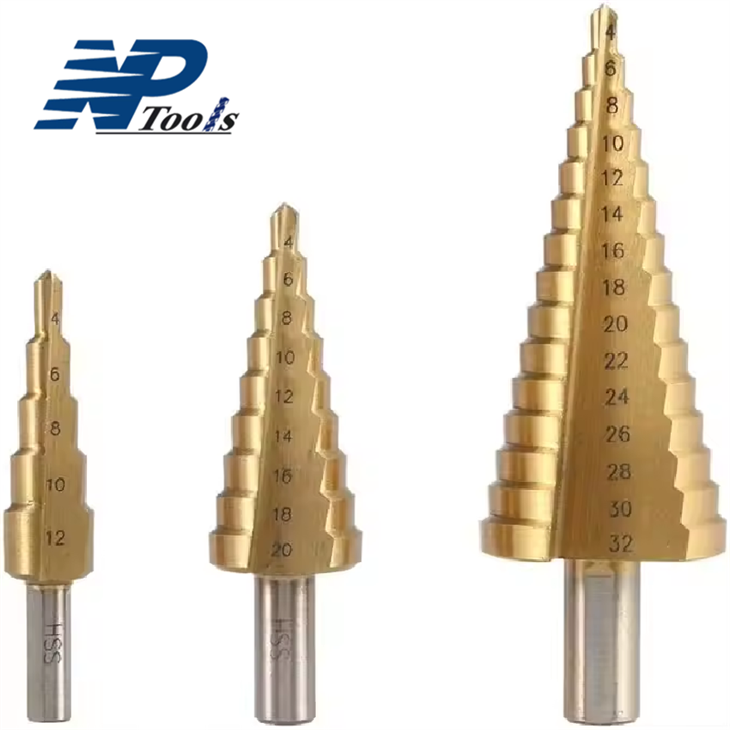
When choosing between a straight flute step drill and a spiral flute step drill, it is important to consider the specific requirements of your application. If you need a drill that provides excellent control and precision, a straight flute step drill may be the better choice. If you need a drill that offers faster cutting speeds and better chip evacuation, a spiral flute step drill may be more suitable.
Tips for Using a Straight Flute Step Drill
To ensure optimal performance and longevity of your straight flute step drill, here are some tips to keep in mind:
- Choose the Right Drill for the Job: Make sure to select a straight flute step drill that is appropriate for the material you are drilling and the size of the holes you need to create. Consider the drill's diameter, length, and cutting edge geometry.
- Use the Correct Speed and Feed Rate: The speed and feed rate at which you operate the drill can have a significant impact on its performance. Refer to the manufacturer's recommendations for the appropriate speed and feed rate for your specific drill and material.
- Apply Adequate Pressure: When drilling, apply steady and even pressure to the drill to ensure smooth and consistent cutting. Avoid applying too much pressure, as this can cause the drill to overheat and wear out prematurely.
- Keep the Drill Cool: To prevent overheating and extend the life of the drill, it is important to keep it cool during the drilling process. You can use a coolant or lubricant to reduce friction and heat buildup.
- Inspect the Drill Regularly: Regularly inspect the drill for signs of wear or damage. Replace the drill if it becomes dull or damaged to ensure optimal performance.
Conclusion
In conclusion, a straight flute step drill is a versatile and efficient tool that offers many advantages over traditional drill bits. Its unique design allows for the creation of holes of different diameters in a single operation, saving time and improving accuracy. Whether you are a professional tradesperson or a DIY enthusiast, a straight flute step drill is a valuable addition to your toolbox.
If you are interested in purchasing a straight flute step drill or learning more about our products, please visit our website Straight Flute Step Drill. We offer a wide range of high-quality straight flute step drills at competitive prices. Our team of experts is also available to provide you with technical support and advice to help you choose the right drill for your needs.
Don't hesitate to contact us if you have any questions or would like to discuss your specific requirements. We look forward to working with you and helping you achieve your drilling goals.
References
- ASM Handbook, Volume 16: Machining, ASM International, 2004.
- Machinery's Handbook, 31st Edition, Industrial Press Inc., 2012.
- Drill Bit Handbook, Kennametal Inc., 2015.