




How to choose a spiral flute step drill based on the material hardness?
 Jul 01, 2025|
 Hey there! As a supplier of Spiral Flute Step Drills, I've seen a lot of folks scratching their heads when it comes to choosing the right drill based on material hardness. It's not as complicated as it might seem, though. In this blog, I'll walk you through the whole process and give you some tips to make the best choice.
First off, let's talk about what a Spiral Flute Step Drill is. If you're not familiar, you can check out more details Spiral Flute Step Drill. These drills are pretty cool because they can drill holes of different sizes in one go. They have a spiral flute design, which helps with chip removal and gives a smoother drilling experience compared to some other types of drills.
Now, when it comes to choosing a Spiral Flute Step Drill based on material hardness, the first thing you need to understand is the different types of materials you might be working with. Materials can range from soft ones like wood and plastic to super-hard ones like stainless steel and titanium.
Soft Materials: Wood and Plastic
Let's start with the easy stuff - wood and plastic. These are relatively soft materials, so you don't need a super-heavy-duty drill. For wood, a high-speed steel (HSS) Spiral Flute Step Drill will usually do the trick. HSS drills are affordable and can handle the soft nature of wood without much trouble. They can cut through the wood cleanly, and the spiral flute design helps in getting rid of the wood chips as you drill.
When it comes to plastic, the same HSS drill can work well. Just make sure to use a lower speed when drilling plastic. Plastic can melt if you drill too fast, and that's not a good look. The spiral flute on the drill helps in reducing the heat generated during drilling, which is great for plastic materials.
Medium-Hard Materials: Aluminum and Brass
Moving on to medium-hard materials like aluminum and brass. These materials are a bit tougher than wood and plastic, but still not as hard as some metals. For aluminum, you can still use an HSS Spiral Flute Step Drill, but you might want to look for one with a higher cobalt content. Cobalt makes the drill more heat-resistant and durable, which is important when drilling aluminum because it can get hot quickly.

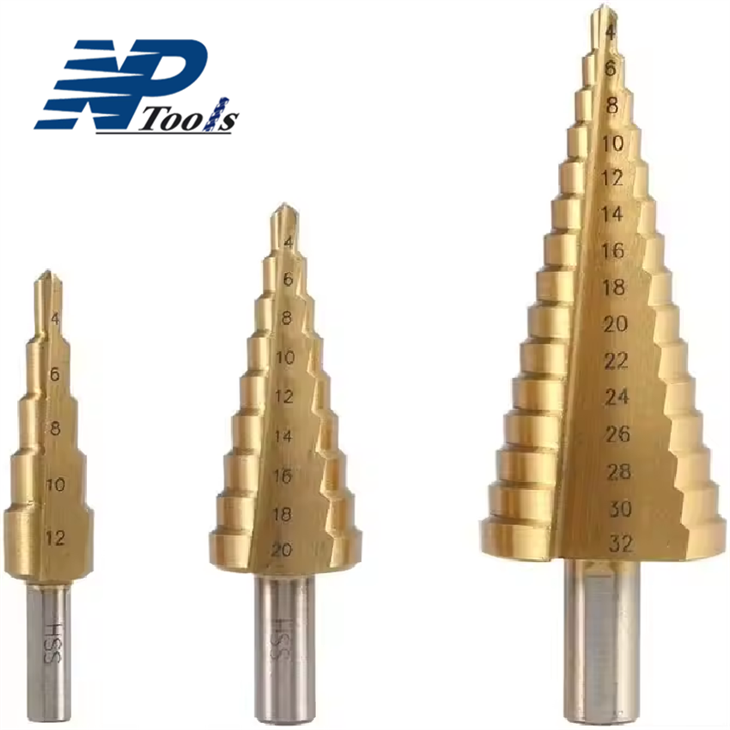
Brass is also a medium-hard material, and similar to aluminum, an HSS drill with a bit of cobalt can work well. The spiral flute design helps in evacuating the brass chips efficiently, preventing them from clogging the drill and causing problems.
Hard Materials: Stainless Steel and Titanium
Now, here's where things get a bit more serious - hard materials like stainless steel and titanium. These metals are tough, and you need a drill that can handle the challenge. For stainless steel, you're going to want a carbide-tipped Spiral Flute Step Drill. Carbide is extremely hard and can cut through stainless steel without dulling quickly.
Titanium is even harder than stainless steel. You'll need a high-quality carbide drill specifically designed for titanium. These drills are more expensive, but they're worth it if you're regularly working with titanium. The spiral flute on these drills is crucial because it helps in removing the chips and reducing the friction, which is essential when drilling such hard materials.
Comparing with Straight Flute Step Drills
You might be wondering how Spiral Flute Step Drills compare to Straight Flute Step Drills. Well, straight flute drills are better for some applications, but when it comes to most materials, especially the ones we've talked about here, spiral flute drills have an edge. The spiral design helps in chip removal, which means less clogging and a smoother drilling process. Straight flute drills are more suitable for shallow holes or when you need a more precise cut in certain materials.
Other Factors to Consider
Apart from material hardness, there are a few other factors to consider when choosing a Spiral Flute Step Drill. The size of the drill is important. You need to make sure the drill can create the hole sizes you need. Also, the length of the drill matters, especially if you're drilling deep holes.
The coating on the drill can also make a difference. Some drills have a special coating that reduces friction and makes the drill last longer. This is especially useful when drilling hard materials.
Making the Right Choice
To sum it up, choosing the right Spiral Flute Step Drill based on material hardness is all about understanding the properties of the material you're working with. For soft materials, an HSS drill is usually enough. For medium-hard materials, look for an HSS drill with a bit of cobalt. And for hard materials, go for a carbide-tipped drill.
If you're still not sure which drill is right for your project, don't hesitate to reach out. We're here to help you make the best choice. Whether you're a DIY enthusiast or a professional in the industry, we can provide you with the right Spiral Flute Step Drill for your needs. Contact us to start a conversation about your procurement needs, and let's find the perfect drill for you.
References
- "Machining Fundamentals" by various industry experts
- Manufacturer's guides for Spiral Flute Step Drills