




What is the cost - effectiveness of HSS step drills?
 Aug 28, 2025|
In the realm of metalworking and fabrication, the High-Speed Steel (HSS) step drill has emerged as an indispensable tool. As a supplier of HSS step drills, I've witnessed firsthand the transformative impact these tools have on efficiency and precision in various industries. In this blog post, I'll delve into the cost - effectiveness of HSS step drills, exploring their features, benefits, and how they stack up against traditional drilling methods.
Understanding HSS Step Drills
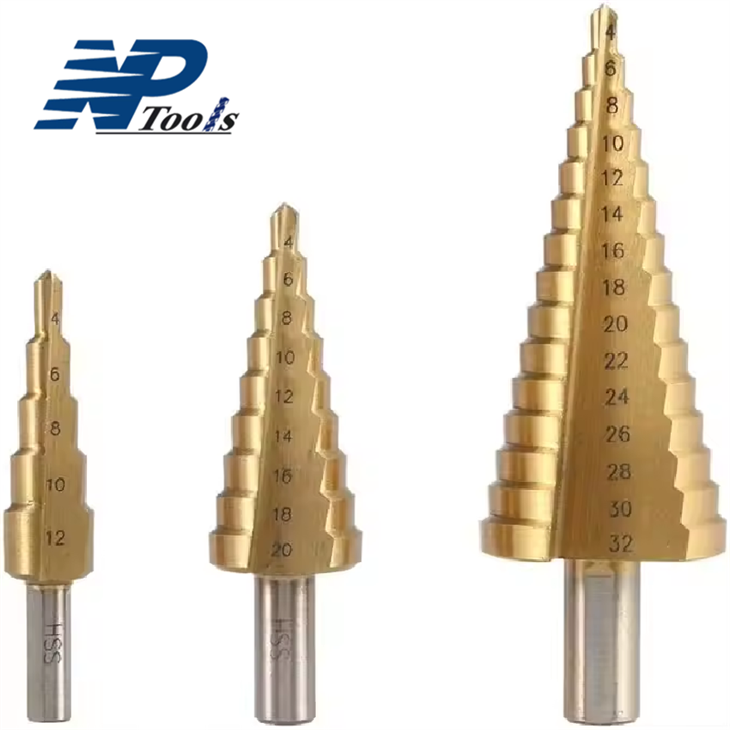
HSS step drills are designed with a series of steps or increments on the drill bit. These steps allow the user to drill holes of different diameters without the need to change the drill bit. They are typically made from high - speed steel, a type of tool steel known for its excellent hardness, heat resistance, and wear resistance. This makes HSS step drills suitable for drilling through a variety of materials, including metal, wood, and plastic.
There are two main types of HSS step drills: Spiral Flute Step Drill and Straight Flute Step Drill. Spiral flute step drills are more commonly used as they provide better chip evacuation, which is crucial when drilling through tough materials. Straight flute step drills, on the other hand, are often used for more precise and shallow drilling operations.
Initial Cost vs. Long - Term Savings
One of the primary concerns when considering any tool is the initial cost. HSS step drills may have a higher upfront price compared to traditional drill bits. However, when you factor in the long - term savings, the cost - effectiveness becomes evident.
Reduced Tool Replacement
With traditional drill bits, you need to purchase multiple bits to drill holes of different diameters. This not only increases the initial investment but also the cost of storage and inventory management. In contrast, a single HSS step drill can perform the functions of several traditional drill bits. For example, a typical HSS step drill can drill holes ranging from 1/8 inch to 1/2 inch in diameter. This means you can significantly reduce the number of drill bits you need to purchase, store, and maintain.
Increased Productivity
Time is money in any manufacturing or fabrication process. HSS step drills can drastically reduce the time spent on drilling operations. Since you don't have to stop and change drill bits for different hole sizes, the workflow becomes more streamlined. For instance, in a production line where hundreds of holes of various sizes need to be drilled, using HSS step drills can save hours of labor time. This increased productivity translates into higher output and potentially more revenue for your business.
Less Material Waste
Precision is key in metalworking, and HSS step drills offer a high level of accuracy. Their stepped design allows for precise hole sizing, reducing the likelihood of over - drilling or creating holes that are too small. This results in less material waste, which is not only cost - effective but also environmentally friendly. In industries where raw materials are expensive, such as aerospace and automotive manufacturing, the savings from reduced material waste can be substantial.
Durability and Maintenance
The durability of HSS step drills is another factor that contributes to their cost - effectiveness. High - speed steel is known for its ability to withstand high temperatures and resist wear. This means that HSS step drills can last much longer than traditional drill bits, even when used in demanding applications.
Extended Tool Life
The heat resistance of HSS allows the drill bit to maintain its hardness and cutting edge for a longer period. This is particularly important when drilling through hard materials, as the friction generated can cause traditional drill bits to dull quickly. With HSS step drills, you can expect fewer instances of bit breakage and dulling, reducing the frequency of tool replacement.
Low Maintenance Requirements
Maintaining HSS step drills is relatively straightforward. They require minimal sharpening and can be easily cleaned after use. This simplicity in maintenance not only saves time but also reduces the cost associated with tool upkeep. In comparison, traditional drill bits may require more frequent sharpening and complex maintenance procedures, which can add up over time.
Versatility and Adaptability
HSS step drills are incredibly versatile tools that can be used in a wide range of applications. Their ability to drill through different materials and create holes of various sizes makes them a valuable asset in many industries.
Multiple Material Compatibility
Whether you're working with aluminum, stainless steel, wood, or plastic, HSS step drills can handle the job. This versatility eliminates the need to purchase different types of drill bits for different materials. For example, in a fabrication shop that works on a variety of projects, having a set of HSS step drills means you can switch between materials without having to invest in specialized drill bits.
Adaptable to Different Equipment
HSS step drills can be used with a variety of drilling equipment, including hand drills, drill presses, and CNC machines. This adaptability makes them suitable for both small - scale workshops and large - scale manufacturing facilities. You can use the same HSS step drills across different machines, further maximizing their cost - effectiveness.
Real - World Examples of Cost - Effectiveness
To illustrate the cost - effectiveness of HSS step drills, let's look at a few real - world examples.
Automotive Repair Shop
In an automotive repair shop, mechanics often need to drill holes of different sizes for various components. Using traditional drill bits would require them to constantly change bits, which is time - consuming. By switching to HSS step drills, they can complete drilling tasks more quickly, allowing them to take on more jobs in a day. The reduced tool replacement and maintenance costs also contribute to overall savings for the shop.
Metal Fabrication Plant
A metal fabrication plant that produces custom parts may need to drill holes in different materials and sizes. HSS step drills enable them to achieve precise hole sizes with less material waste. The long - lasting nature of these drills means they don't have to replace bits as often, and the increased productivity allows them to meet tight deadlines and increase their production capacity.
Conclusion
In conclusion, the cost - effectiveness of HSS step drills is undeniable. While they may have a higher initial cost, the long - term savings in terms of reduced tool replacement, increased productivity, less material waste, durability, and versatility make them a smart investment for any business involved in drilling operations.
If you're looking to improve the efficiency and cost - effectiveness of your drilling processes, I encourage you to consider our range of HSS step drills. We offer high - quality products that are designed to meet the demands of various industries. Whether you're a small - scale workshop or a large - scale manufacturing facility, our HSS step drills can help you achieve better results at a lower cost. Contact us today to discuss your specific requirements and start the procurement process.

References
- "High - Speed Steel: Properties and Applications" - Metalworking Handbook
- "The Impact of Precision Drilling Tools on Manufacturing Efficiency" - Journal of Industrial Engineering
- "Cost - Benefit Analysis of Modern Drilling Technologies" - International Journal of Cost Engineering