




What is the durability of a Straight Flute Step Drill?
 Nov 11, 2025|
Hey there! As a supplier of Straight Flute Step Drills, I've gotten a ton of questions about their durability. So, I thought I'd sit down and write this blog to share what I know.
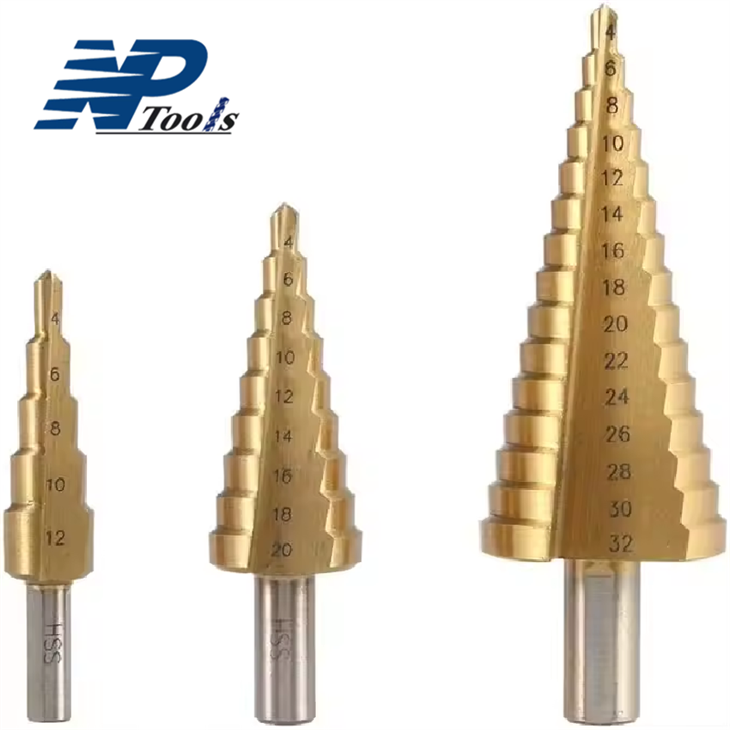
First off, let's talk about what a Straight Flute Step Drill is. It's a unique type of drill bit that has multiple steps of different diameters. This design allows you to drill holes of various sizes without having to switch drill bits constantly. It's super handy, especially for tasks where you need to make holes of different diameters in the same material. You can check out more about them on our Straight Flute Step Drill page.
Now, onto the big question: What's the durability of a Straight Flute Step Drill? Well, it depends on a few factors.
Material Quality
The material the drill bit is made from plays a huge role in its durability. Most of the Straight Flute Step Drills I supply are made from high - speed steel (HSS). HSS is known for its ability to withstand high temperatures and resist wear. When the drill bit is cutting through a material, there's a lot of friction, which generates heat. If the drill bit can't handle the heat, it will start to dull quickly.
HSS drill bits can maintain their hardness at high temperatures, which means they can keep cutting effectively for a longer time. However, there are different grades of HSS. Some are more high - end and have better properties, like increased toughness and wear resistance. The higher - grade HSS drill bits will generally be more durable, but they also come at a higher cost.
Cutting Edge Design
The design of the cutting edge of a Straight Flute Step Drill also affects its durability. A well - designed cutting edge can cut through materials more efficiently, reducing the amount of stress on the drill bit. For example, if the cutting edge is too sharp, it might chip easily when it hits a hard spot in the material. On the other hand, if it's too dull, it will require more force to cut, which can lead to premature wear.
Our Straight Flute Step Drills are engineered with a balanced cutting edge design. The flutes are straight, which helps in chip evacuation. When you're drilling, chips are produced, and if they aren't removed properly, they can get stuck in the drill bit, causing it to overheat and wear out faster. The straight flutes allow the chips to flow out smoothly, keeping the drill bit cool and reducing the risk of damage.
Application and Usage
How you use the Straight Flute Step Drill has a big impact on its durability. If you're using it for the right application, it will last longer. For instance, these drill bits are great for drilling through thin metal sheets, plastics, and wood. But if you try to use them on extremely hard materials like hardened steel without the proper setup, you're going to wear out the drill bit quickly.
Also, the speed and feed rate you use when drilling matter. If you run the drill at too high a speed or apply too much pressure, it can cause excessive wear on the drill bit. You need to find the right balance based on the material you're drilling. For example, when drilling through aluminum, you can usually use a higher speed compared to when drilling through stainless steel.
Comparison with Spiral Flute Step Drills
You might be wondering how Straight Flute Step Drills compare to Spiral Flute Step Drills. Spiral flute drills are better at handling deeper holes because their spiral design provides better chip evacuation in deeper cuts. However, in terms of durability for shallow holes in thin materials, Straight Flute Step Drills can be just as good, if not better.
The straight flutes are simpler in design, which means there are fewer parts that can wear out or break. They are also generally more stable when drilling in thin materials, as they are less likely to wander or cause the material to deform.
Maintenance
Proper maintenance can significantly extend the durability of a Straight Flute Step Drill. After each use, you should clean the drill bit to remove any chips or debris. You can use a brush or compressed air to do this. If there's any built - up residue on the drill bit, it can affect its cutting performance and lead to faster wear.
It's also a good idea to store the drill bits properly. Keep them in a dry place, preferably in a case or a holder that protects them from damage. If the drill bits are left lying around, they can get knocked or scratched, which can weaken the cutting edge and reduce their durability.
Real - World Examples
I've had customers who use our Straight Flute Step Drills in their workshops on a daily basis. One customer who works with thin aluminum sheets for making custom metal parts told me that our drill bits lasted him several months of continuous use before he needed to replace them. He was really happy with the durability, especially considering the amount of work he was putting them through.
Another customer who uses the drill bits for small - scale woodworking projects said that the drill bits maintained their sharpness even after drilling hundreds of holes. He was impressed with how well they cut through the wood, and he didn't have to worry about constantly changing drill bits.

Conclusion
So, to sum it up, the durability of a Straight Flute Step Drill depends on material quality, cutting edge design, application and usage, and maintenance. When all these factors are in check, these drill bits can last a long time and provide excellent performance.
If you're in the market for high - quality Straight Flute Step Drills, I'd love to talk to you. Whether you're a professional in a large workshop or a DIY enthusiast working on home projects, we have the right drill bits for you. Feel free to reach out to discuss your specific needs and how our products can meet them.
References
- "Drill Bit Handbook" - A comprehensive guide on drill bit materials, designs, and applications.
- Industry research on the performance of different types of drill bits in various materials.