




What is the durability of an HSS step drill?
 Dec 09, 2025|
 Hey there! As a supplier of HSS step drills, I often get asked about the durability of these nifty tools. So, I thought I'd sit down and write a blog post to share my insights on this topic.
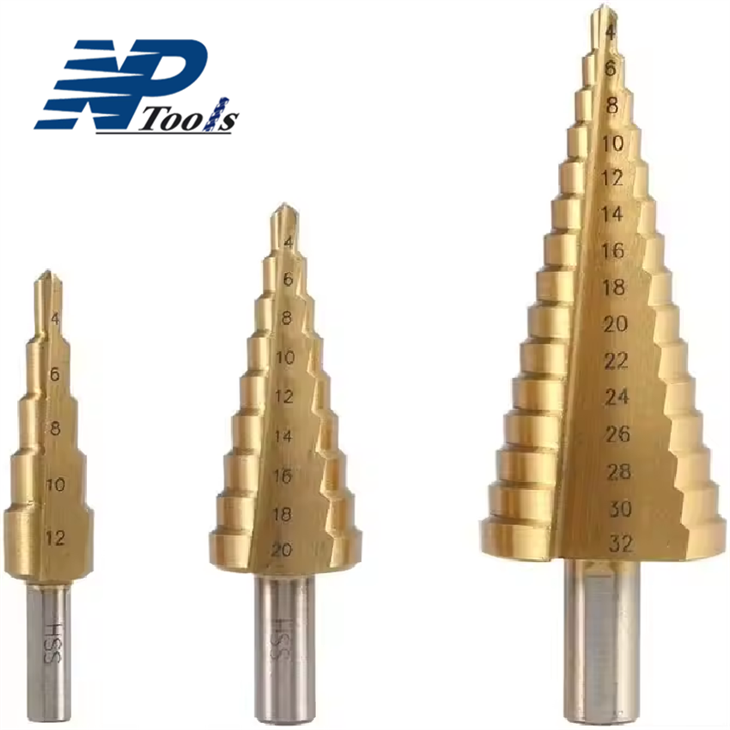
First off, let's talk about what HSS step drills are. HSS stands for High-Speed Steel, which is a type of tool steel known for its excellent hardness, wear resistance, and heat resistance. Step drills, on the other hand, are drills with multiple stepped diameters, allowing you to drill holes of different sizes without having to change bits. They're incredibly versatile and are commonly used in a variety of industries, from metalworking to woodworking.
Now, let's get to the main question: What is the durability of an HSS step drill? Well, the durability of an HSS step drill depends on several factors, including the quality of the steel, the manufacturing process, the cutting conditions, and the maintenance of the drill.
Quality of the Steel
The quality of the steel used in an HSS step drill is crucial to its durability. High-quality HSS steel contains a high percentage of alloying elements such as tungsten, molybdenum, chromium, and vanadium, which enhance its hardness, wear resistance, and heat resistance. These alloying elements form hard carbides in the steel matrix, which help to prevent the drill from wearing down quickly and maintain its cutting edge for longer periods.
When choosing an HSS step drill, it's important to look for drills made from high-quality HSS steel. Cheaper drills may be made from lower-quality steel, which can result in faster wear and reduced durability. As a supplier, I always make sure to source my HSS step drills from reputable manufacturers who use high-quality steel and adhere to strict quality control standards.
Manufacturing Process
The manufacturing process also plays a significant role in the durability of an HSS step drill. A well-manufactured drill will have a precise cutting edge, a smooth surface finish, and a consistent geometry. These factors contribute to the drill's ability to cut efficiently and reduce the amount of wear and tear on the drill.
During the manufacturing process, the drill is typically ground to its final shape using precision grinding machines. The cutting edges are then sharpened to a fine point, and the drill is heat-treated to enhance its hardness and wear resistance. A good manufacturing process will ensure that the drill is properly heat-treated and that the cutting edges are sharp and durable.
Cutting Conditions
The cutting conditions under which the HSS step drill is used can also affect its durability. Factors such as the type of material being drilled, the cutting speed, the feed rate, and the use of coolant can all impact the drill's performance and lifespan.
When drilling hard materials such as stainless steel or titanium, the drill will experience more wear and tear than when drilling softer materials such as aluminum or wood. In these cases, it's important to use a slower cutting speed and a higher feed rate to reduce the amount of heat generated and prevent the drill from overheating. Using a coolant can also help to reduce the heat and friction, which can extend the drill's lifespan.
On the other hand, when drilling softer materials, a higher cutting speed and a lower feed rate can be used to increase the drilling efficiency. However, it's still important to monitor the drill's performance and adjust the cutting conditions as needed to prevent the drill from wearing down too quickly.
Maintenance
Proper maintenance is essential for ensuring the durability of an HSS step drill. After each use, the drill should be cleaned to remove any chips, debris, or coolant that may have accumulated on the drill. This can be done using a brush or compressed air.
It's also important to store the drill properly to prevent it from getting damaged. The drill should be stored in a dry, clean place, and it should be protected from moisture and corrosion. If the drill is not going to be used for an extended period, it's a good idea to apply a light coat of oil to the drill to prevent it from rusting.
In addition to regular cleaning and storage, the drill should also be sharpened periodically to maintain its cutting edge. Over time, the cutting edges of the drill will wear down, which can reduce its performance and efficiency. Sharpening the drill will restore its cutting edge and extend its lifespan.
Types of HSS Step Drills
There are two main types of HSS step drills: straight flute step drills and spiral flute step drills. Each type has its own advantages and disadvantages, and the choice of which type to use depends on the specific application.
- Straight Flute Step Drill: Straight flute step drills have straight flutes that run parallel to the axis of the drill. They are typically used for drilling thin materials or for applications where a high degree of accuracy is required. Straight flute step drills are also less likely to cause the material to deform or tear, which makes them ideal for drilling delicate materials. You can check out our Straight Flute Step Drill for more information.
- Spiral Flute Step Drill: Spiral flute step drills have spiral flutes that wrap around the drill body. They are typically used for drilling thicker materials or for applications where a high rate of chip removal is required. Spiral flute step drills are more efficient at removing chips from the hole, which helps to prevent the drill from clogging and reduces the amount of heat generated during the drilling process. You can learn more about our Spiral Flute Step Drill on our website.
Conclusion
In conclusion, the durability of an HSS step drill depends on several factors, including the quality of the steel, the manufacturing process, the cutting conditions, and the maintenance of the drill. By choosing a high-quality drill made from high-quality HSS steel, using it under the right cutting conditions, and maintaining it properly, you can ensure that your HSS step drill will last for a long time and provide you with reliable performance.
If you're in the market for HSS step drills, I'd be happy to help you find the right drills for your needs. As a supplier, I offer a wide range of HSS step drills in different sizes and configurations to suit various applications. Whether you're a professional tradesperson or a DIY enthusiast, I'm confident that I can provide you with high-quality HSS step drills at competitive prices.

So, if you have any questions or would like to discuss your drilling needs, please don't hesitate to contact me. I'm always here to help you find the best solutions for your drilling projects. Let's start a conversation and see how we can work together to meet your requirements.
References
- ASM Handbook, Volume 1: Properties and Selection: Irons, Steels, and High-Performance Alloys. ASM International, 1990.
- Machining Data Handbook, Volume 1. Metcut Research Associates, 1980.
- Tool and Manufacturing Engineers Handbook, Volume 1: Machining. Society of Manufacturing Engineers, 1980.