




What is the flute shape of a spiral flute step drill?
 Nov 03, 2025|
As a seasoned supplier of Spiral Flute Step Drills, I've witnessed firsthand the growing demand for these remarkable tools in various industries. Their unique design and exceptional performance have made them a go - to choice for professionals and DIY enthusiasts alike. In this blog, I'll delve into the intricacies of the flute shape of a spiral flute step drill, exploring its features, benefits, and applications.
Understanding the Basics of Step Drills
Before we dive into the specifics of the spiral flute shape, let's briefly review what a step drill is. A step drill, also known as a conical drill or a stepped drill bit, is a multi - diameter drill bit that can create holes of different sizes in a single operation. Unlike traditional drill bits that have a single diameter, step drills have a series of steps, each with a different diameter. This allows users to drill holes of various sizes without having to change drill bits, saving time and increasing efficiency.
There are two main types of step drills: Straight Flute Step Drill and Spiral Flute Step Drill. The key difference between them lies in the shape of their flutes.
The Anatomy of a Spiral Flute Step Drill
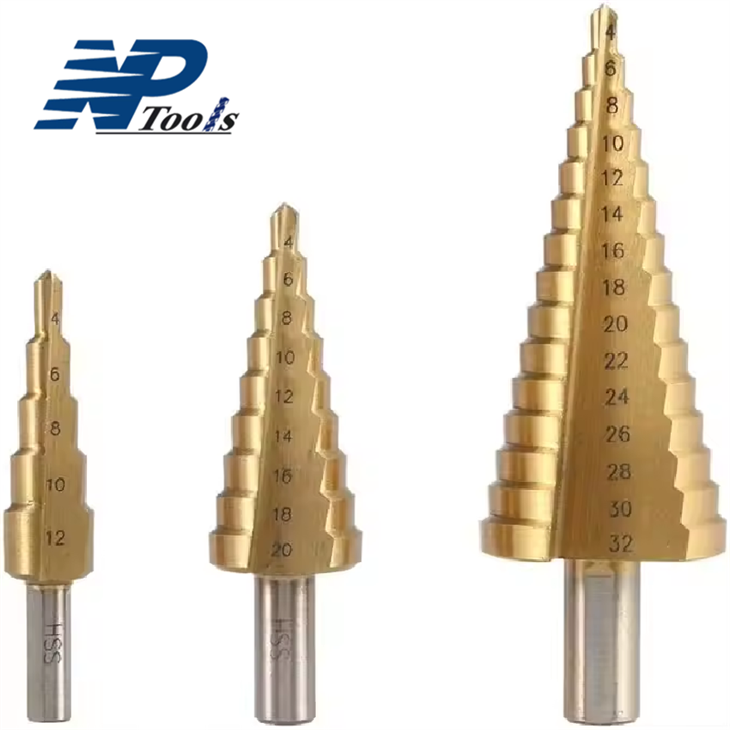
The flute of a drill bit is the helical groove that runs along the length of the bit. In a spiral flute step drill, these grooves are spiraled around the body of the drill. This spiral shape is not randomly designed but is the result of careful engineering to optimize the drill's performance.
The spiral flutes on a step drill serve several important functions. Firstly, they help in chip evacuation. When drilling, the material being removed forms chips. If these chips are not removed efficiently, they can clog the drill bit, reduce cutting efficiency, and even cause the drill bit to overheat and break. The spiral flutes act as channels that carry the chips away from the cutting edge of the drill and out of the hole. The helical shape of the flutes creates a pumping action as the drill rotates, effectively lifting the chips up and out of the hole.
Secondly, the spiral flutes provide better cutting action. As the drill rotates, the spiral shape causes the cutting edges to engage with the material gradually. This results in a smoother and more controlled drilling process compared to straight flute drills. The progressive engagement of the cutting edges reduces the amount of force required to drill, making it easier to work with a variety of materials, including metals, plastics, and wood.
Types of Spiral Flute Designs
There are different types of spiral flute designs, and each has its own advantages depending on the application.
Variable Pitch Spiral Flutes
Variable pitch spiral flutes have a changing helix angle along the length of the drill. This design helps to reduce vibration and chatter during the drilling process. When a drill bit vibrates, it can lead to uneven holes, premature wear of the drill bit, and a poor finish on the drilled surface. The variable pitch design disrupts the harmonic resonance, which is the main cause of vibration, resulting in a more stable and accurate drilling operation.
Constant Pitch Spiral Flutes
Constant pitch spiral flutes have a uniform helix angle throughout the length of the drill. This design is often preferred for general - purpose drilling applications. It provides a consistent cutting action and is relatively easy to manufacture, making it a cost - effective option.
Benefits of Using a Spiral Flute Step Drill
The unique flute shape of a spiral flute step drill offers several benefits that make it a superior choice in many situations.
Versatility
One of the main advantages of a spiral flute step drill is its versatility. It can be used to drill holes in a wide range of materials, from soft plastics to hard metals. The smooth cutting action of the spiral flutes allows for clean and accurate holes in different materials, making it a valuable tool for various industries, including automotive, aerospace, and electronics.
Efficiency
The ability to drill multiple hole sizes without changing drill bits significantly improves efficiency. In a production environment, this can lead to faster turnaround times and increased productivity. The efficient chip evacuation also reduces the likelihood of drill bit breakage, which further contributes to cost savings by minimizing downtime for tool replacement.
Precision
Spiral flute step drills offer high levels of precision. The smooth cutting action and reduced vibration result in holes with a precise diameter and a clean finish. This is crucial in applications where tight tolerances are required, such as in the manufacturing of machinery parts or electronic components.

Applications of Spiral Flute Step Drills
The unique properties of spiral flute step drills make them suitable for a wide range of applications.
Metalworking
In the metalworking industry, spiral flute step drills are commonly used for drilling holes in thin - walled metal sheets. The efficient chip evacuation and smooth cutting action prevent the metal from deforming during the drilling process. They are also used for drilling holes in aluminum, brass, and stainless steel, which are known for their high strength and ductility.
Woodworking
In woodworking, spiral flute step drills can be used to create holes for dowels, screws, and other fasteners. The ability to drill different hole sizes in one operation is particularly useful when assembling furniture or working on wooden structures.
Plastic Fabrication
When working with plastics, spiral flute step drills provide a clean and burr - free cut. The smooth cutting action prevents the plastic from melting or cracking, resulting in high - quality holes.
Factors to Consider When Choosing a Spiral Flute Step Drill
When selecting a spiral flute step drill, there are several factors to keep in mind.
Material Compatibility
Different materials require different drill bit geometries and coatings. For example, when drilling hard metals, a drill bit with a high - speed steel (HSS) or carbide tip is recommended. When working with non - ferrous metals or plastics, a drill bit with a specialized coating can enhance its performance.
Hole Size and Depth
The size and depth of the holes you need to drill should also influence your choice. Make sure the step drill you choose has the appropriate step sizes and a length that can accommodate the required depth.
Drill Bit Quality
Investing in a high - quality drill bit is essential. Look for drill bits that are made from high - quality materials and have been manufactured using advanced processes. A well - made drill bit will last longer and provide better performance.
Conclusion
The flute shape of a spiral flute step drill is a carefully engineered feature that offers numerous benefits. From efficient chip evacuation to smooth cutting action and high precision, these drills are a valuable addition to any toolbox. Whether you're a professional tradesperson or a DIY enthusiast, a spiral flute step drill can help you achieve better results in less time.
If you're interested in learning more about our Spiral Flute Step Drills or would like to discuss your specific requirements for a project, we're here to help. Feel free to reach out to us for a consultation and start a procurement discussion. We're dedicated to providing top - quality products and excellent customer service to meet all your drilling needs.
References
- "Drill Bit Handbook" by Industrial Drill Bit Manufacturers Association
- "Advanced Machining Technology" by John Wiley & Sons
- Technical documentation from leading drill bit manufacturers