




What is the load capacity of an HSS step drill?
 Oct 01, 2025|
 Hey there! As a supplier of HSS step drills, I often get asked about the load capacity of these nifty tools. So, I thought I'd sit down and write a blog post to share what I know.
First off, let's talk about what an HSS step drill is. HSS stands for High-Speed Steel, which is a type of tool steel known for its ability to withstand high temperatures and maintain its hardness. A step drill, on the other hand, is a drill bit with multiple steps of different diameters. This design allows you to drill holes of various sizes without having to change the drill bit, making it a very versatile tool.
Now, onto the load capacity. The load capacity of an HSS step drill refers to the amount of force or pressure it can handle without breaking or becoming damaged. This is an important factor to consider, especially if you're using the drill for heavy-duty applications.
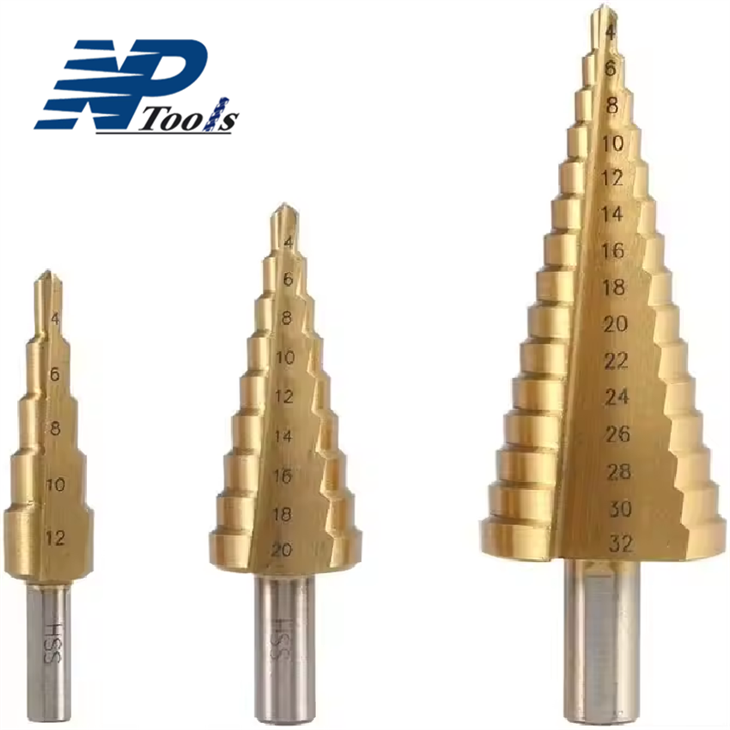

There are several factors that can affect the load capacity of an HSS step drill. One of the most important is the quality of the steel. Higher-quality HSS step drills are made from better-grade steel, which means they can handle more stress and pressure. At our company, we only source the best HSS materials to ensure our step drills have a high load capacity.
The design of the step drill also plays a role. For example, the number of steps and the size of each step can impact how much force the drill can withstand. A step drill with fewer, larger steps may be able to handle more load than one with many small steps. Additionally, the flute design can affect the load capacity. There are two main types of flute designs: straight and spiral.
The Straight Flute Step Drill has straight flutes that run parallel to the axis of the drill bit. This design is great for drilling through softer materials and provides good chip evacuation. However, it may not be as strong as a spiral flute step drill when it comes to handling high loads.
On the other hand, the Spiral Flute Step Drill has flutes that spiral around the drill bit. This design provides more strength and stability, making it better suited for drilling through harder materials and handling higher loads. The spiral flutes also help to pull the chips out of the hole, reducing the risk of clogging and improving the overall drilling performance.
Another factor to consider is the size of the drill bit. Generally speaking, larger drill bits can handle more load than smaller ones. This is because they have a larger cross-sectional area, which means they can distribute the force more evenly. However, it's important to note that the load capacity also depends on the material being drilled. For example, drilling through a hard metal like stainless steel will require more force than drilling through a softer material like wood.
To determine the load capacity of an HSS step drill, you can refer to the manufacturer's specifications. These specs usually include information about the maximum drilling depth, the recommended feed rate, and the maximum torque that the drill can handle. It's important to follow these guidelines to ensure the safe and efficient use of the drill.
In addition to the technical factors, the way you use the drill can also affect its load capacity. For example, using the wrong drill speed or feed rate can put too much stress on the drill bit, leading to premature wear or breakage. It's important to use the correct speed and feed rate for the material being drilled and the size of the drill bit.
So, how can you tell if your HSS step drill is being overloaded? There are a few signs to look out for. If you notice that the drill bit is getting hot, smoking, or making a strange noise, it could be a sign that it's under too much stress. You may also notice that the drill bit is starting to wear down quickly or that the holes are not being drilled cleanly. If you experience any of these issues, it's important to stop using the drill and check the load capacity.
In conclusion, the load capacity of an HSS step drill is an important factor to consider when choosing a drill bit for your application. By understanding the factors that affect the load capacity, such as the quality of the steel, the design of the drill, and the size of the bit, you can choose the right drill for the job. And remember, always follow the manufacturer's specifications and use the drill correctly to ensure its safe and efficient operation.
If you're in the market for high-quality HSS step drills with a high load capacity, we'd love to hear from you. We offer a wide range of step drills in different sizes and designs to meet your specific needs. Whether you're a professional contractor or a DIY enthusiast, we have the perfect drill for you. So, don't hesitate to reach out and start a conversation about your drilling requirements. We're here to help you find the best solution for your project.
References
- General knowledge about HSS step drills and their load capacity from industry experience.
- Manufacturer's specifications of various HSS step drills.