




What is the thrust force required for using a Straight Flute Step Drill?
 Jan 08, 2026|
 Hey there! As a supplier of Straight Flute Step Drills, I often get asked about the thrust force required to use these awesome tools. So, I thought I'd sit down and really break it down for you.
First off, let's understand what a straight flute step drill is. It's a unique drill bit that has a series of steps of different diameters. This allows you to drill holes of various sizes without having to change bits constantly. It's a real time - saver, especially in projects where you need different sized holes.
Now, the thrust force is basically the force you need to apply along the axis of the drill bit to make it penetrate the material. It's an important factor because if you don't apply enough thrust force, the drill won't cut properly, and if you apply too much, you could damage the drill bit or the workpiece.
The amount of thrust force required for using a straight flute step drill depends on several factors. One of the most significant factors is the material you're drilling into. Different materials have different hardness levels, and harder materials generally require more thrust force.
For example, if you're drilling into softwoods like pine or cedar, the thrust force needed is relatively low. These woods are easy to cut through, and you can usually get away with a light to moderate force. You might only need to apply a gentle pressure as the drill bit does the work.
On the other hand, if you're working with hardwoods such as oak or maple, you'll need to increase the thrust force. Hardwoods are denser and have a more complex grain structure, which makes them more resistant to drilling. You'll notice that you have to push a bit harder to get the drill bit to penetrate at a reasonable speed.
When it comes to metals, things get a bit more complicated. Drilling into aluminum is less demanding compared to steel. Aluminum is a softer metal, so it requires less thrust force. You can use a straight flute step drill on aluminum with a steady, moderate force.
However, steel is a whole different ball game. It's much harder and stronger than aluminum. You'll need to use a significant amount of thrust force to drill through steel. In some cases, it might even be necessary to use a drill press with a power feed to ensure consistent and sufficient thrust force. Otherwise, you risk overheating the drill bit and wearing it out quickly.
Another factor that affects the required thrust force is the diameter of the step on the drill bit. Larger diameter steps generally require more thrust force than smaller ones. This is because there's more surface area in contact with the material, creating more friction and resistance.
For instance, if you're using the smallest step on the straight flute step drill, you'll need less force. As you move up to the larger steps, you'll have to ramp up the pressure to get the drill to cut effectively. It's kind of like trying to push a small stick through a piece of foam versus pushing a large pole through it. The larger the object, the more effort you need.
The cutting speed also plays a role in determining the thrust force. If you're drilling at a high speed, the drill bit can generate more heat and reduce its effectiveness. In such cases, you may need to increase the thrust force to maintain the cutting action. Conversely, if you drill at a very low speed, you might not need as much thrust force, but the process will take longer.
It's important to find the right balance between cutting speed and thrust force. This usually involves some trial and error. You might start with a moderate speed and thrust force and then adjust based on how the drill is performing. If it's struggling to cut, you can either increase the thrust force or decrease the speed.
Now, let's talk about how this compares to Spiral Flute Step Drills. Spiral flute step drills have flutes that are twisted around the bit. These flutes are great for removing chips and debris from the hole as you drill.
In general, spiral flute step drills require less thrust force compared to straight flute step drills. The spiral flutes help to pull the chips out of the hole, reducing the friction and resistance. This means that you can use a lighter touch when drilling with a spiral flute step drill.
However, straight flute step drills have their own advantages. They are often more rigid and can produce a cleaner hole, especially in materials like plastics or thin metals. They're also better at handling high - precision drilling tasks.
When it comes to actually using a straight flute step drill, here are some tips to get the right thrust force. First, make sure your workpiece is properly secured. If it moves around while you're drilling, it can affect the amount of force you need to apply and also lead to inaccurate holes.
Use a lubricant when drilling, especially in metals. Lubricants help to reduce friction, which in turn reduces the amount of thrust force required. They also extend the life of the drill bit by preventing overheating.
If you're using a hand drill, hold it firmly but not too tightly. Squeezing too hard can actually make it more difficult to apply a consistent thrust force. Instead, try to use your body weight to add pressure if needed.
For drill presses, adjust the feed rate according to the material and the step diameter. A slower feed rate might be necessary for harder materials or larger steps.
As a supplier of straight flute step drills, I know that getting the right thrust force is crucial for a successful drilling operation. If you're working on a project and not sure how much force to apply, give us a try. We've got a team of experts who can provide you with personalized advice based on your specific needs. Whether you're a professional contractor or a DIY enthusiast, we're here to help you get the best performance out of our straight flute step drills.
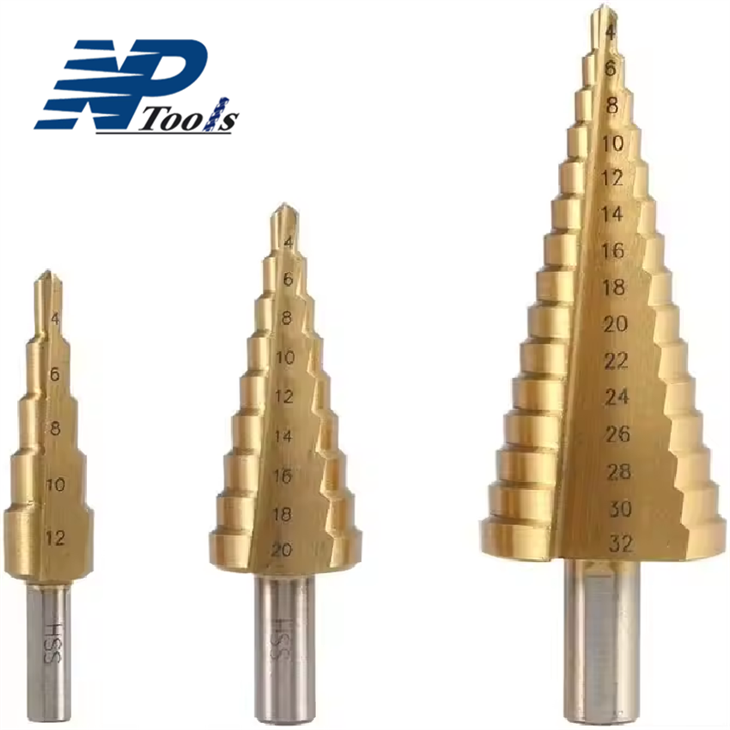

So, if you're in the market for high - quality straight flute step drills or have any questions about using them, don't hesitate to reach out. Let's have a chat, and we can work together to find the perfect solution for your drilling projects.
References:
- Manufacturing Engineering Handbook.
- Drilling Techniques and Best Practices by ABC Publishing.