




Can a spiral flute step drill be used for molybdenum drilling?
 Jul 28, 2025|
Can a spiral flute step drill be used for molybdenum drilling?
As a supplier of Spiral Flute Step Drill, I often encounter various questions from customers regarding the application of our products. One of the most frequently asked questions is whether a spiral flute step drill can be used for molybdenum drilling. In this blog post, I will delve into this topic and provide a comprehensive analysis based on scientific knowledge and practical experience.
Understanding Molybdenum
Molybdenum is a refractory metal known for its high melting point, excellent strength at elevated temperatures, and good corrosion resistance. These properties make it a popular choice in various industries, including aerospace, electronics, and automotive. However, molybdenum also presents significant challenges when it comes to machining due to its hardness and toughness.
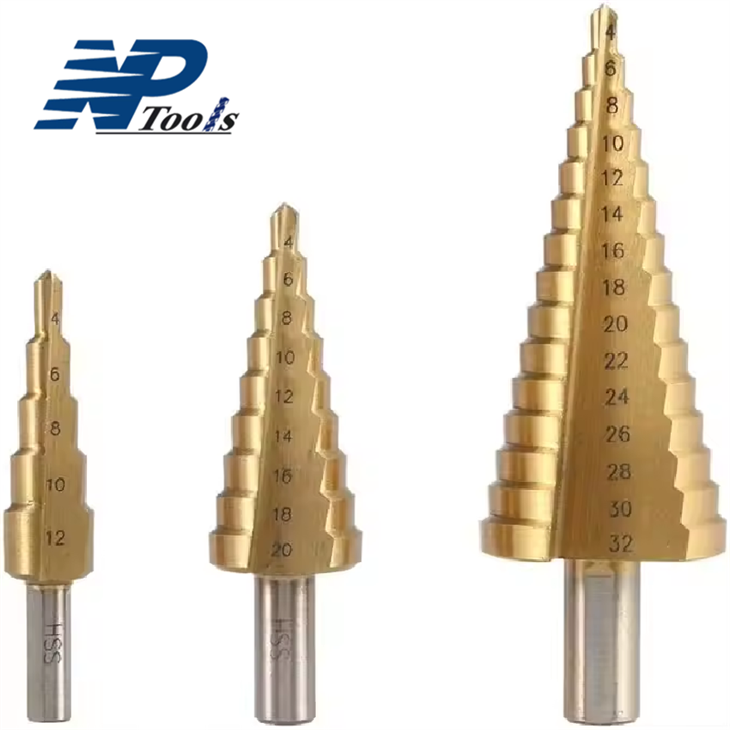

Characteristics of Spiral Flute Step Drills
Spiral flute step drills are designed with a unique geometry that combines the features of a step drill and a spiral flute drill. The spiral flutes help to evacuate chips efficiently, reducing the risk of chip clogging and improving the drilling performance. The step design allows for the creation of multiple hole sizes in a single operation, which can save time and increase productivity.
Factors Affecting the Suitability of Spiral Flute Step Drills for Molybdenum Drilling
- Material Hardness: Molybdenum is a relatively hard material, with a hardness of around 120 - 240 HB (Brinell hardness). The drill bit used for molybdenum drilling needs to be made of a material that is harder than molybdenum to ensure effective cutting. High - speed steel (HSS) is a common material for spiral flute step drills, but for molybdenum, cobalt - alloyed HSS or carbide - tipped drills are more suitable as they offer higher hardness and wear resistance.
- Chip Evacuation: Molybdenum produces long, stringy chips during drilling. Efficient chip evacuation is crucial to prevent chip recutting, which can lead to poor hole quality, increased tool wear, and even tool breakage. The spiral flutes of a spiral flute step drill are designed to facilitate chip removal. However, the flute geometry and helix angle need to be optimized for molybdenum to ensure smooth chip flow.
- Cutting Forces: Drilling molybdenum requires higher cutting forces compared to softer materials. The design of the spiral flute step drill should be able to withstand these forces without deflection or breakage. A well - designed drill with a proper web thickness and point angle can help to distribute the cutting forces evenly and reduce the risk of tool failure.
- Coolant and Lubrication: Using an appropriate coolant or lubricant is essential when drilling molybdenum. Coolants help to dissipate heat generated during the cutting process, reduce friction, and improve chip evacuation. The spiral flutes can also help to carry the coolant to the cutting edge, enhancing the cooling and lubrication effect.
Advantages of Using Spiral Flute Step Drills for Molybdenum Drilling
- Versatility: Spiral flute step drills can create multiple hole sizes in a single operation, which is especially useful when drilling molybdenum components that require different hole diameters. This can eliminate the need for multiple drill bits and reduce setup time.
- Improved Chip Evacuation: The spiral flutes promote better chip evacuation compared to Straight Flute Step Drill. This can result in cleaner holes and less tool wear, which is beneficial when working with hard materials like molybdenum.
- Higher Productivity: Due to their ability to create multiple hole sizes quickly and the efficient chip evacuation, spiral flute step drills can increase the overall productivity of the molybdenum drilling process.
Limitations and Challenges
- Tool Wear: Despite their advantages, spiral flute step drills used for molybdenum drilling will still experience significant tool wear. The high hardness and abrasiveness of molybdenum can cause the cutting edges to dull quickly, requiring frequent tool replacement.
- Cost: Carbide - tipped or cobalt - alloyed HSS spiral flute step drills, which are more suitable for molybdenum drilling, are generally more expensive than standard HSS drills. This can increase the overall cost of the drilling process.
Best Practices for Using Spiral Flute Step Drills for Molybdenum Drilling
- Select the Right Drill Bit: Choose a spiral flute step drill made of a high - performance material such as cobalt - alloyed HSS or carbide - tipped. Consider the drill's flute geometry, helix angle, and point angle to ensure it is optimized for molybdenum drilling.
- Optimize Cutting Parameters: Adjust the cutting speed, feed rate, and depth of cut according to the drill bit material, molybdenum grade, and hole requirements. Generally, lower cutting speeds and higher feed rates are recommended for molybdenum drilling to reduce heat generation and improve chip evacuation.
- Use Proper Coolant and Lubrication: Select a coolant or lubricant that is suitable for molybdenum machining. Flood coolant is often preferred as it can provide better cooling and chip flushing.
- Inspect and Maintain the Drill Bit: Regularly inspect the drill bit for signs of wear or damage. Replace the drill bit when it becomes dull or damaged to ensure consistent hole quality.
Conclusion
In conclusion, a spiral flute step drill can be used for molybdenum drilling, but several factors need to be considered to ensure successful results. The right drill bit material, proper chip evacuation, appropriate cutting parameters, and effective coolant and lubrication are all crucial for achieving high - quality holes and minimizing tool wear. As a supplier of spiral flute step drills, we are committed to providing our customers with the best - in - class products and technical support. If you are interested in using our spiral flute step drills for molybdenum drilling or have any other questions, please feel free to contact us for further discussion and procurement negotiation.
References
- "Machining of Refractory Metals" - ASM Handbook, Volume 16: Machining
- "Drilling Technology: Principles and Applications" - Industrial Press Inc.