




Can a Straight Flute Step Drill be used in a hand drill?
 Jul 25, 2025|
Hey there! As a supplier of Straight Flute Step Drills, I often get asked whether these drills can be used in a hand drill. It's a valid question, and today, I'm gonna dive deep into this topic to give you a clear answer.
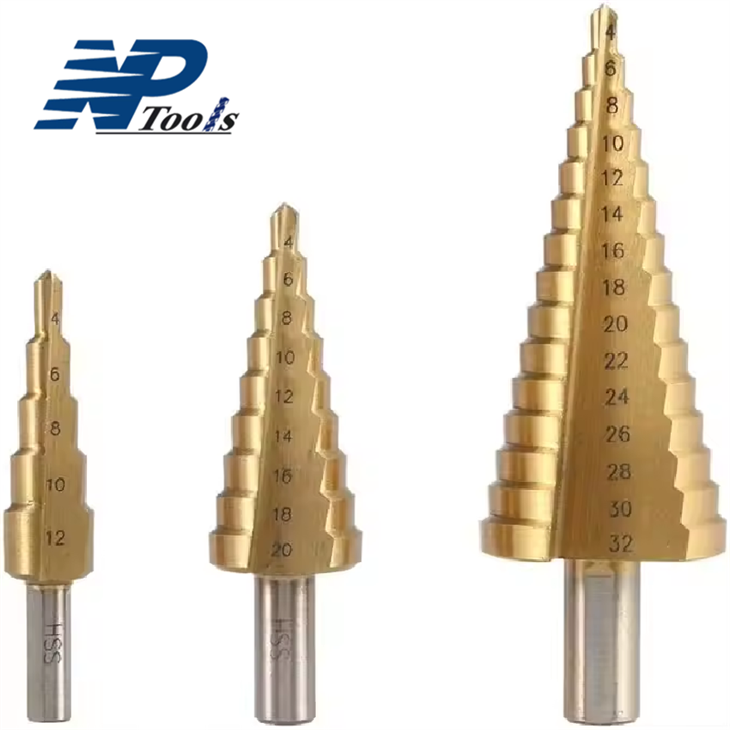
First off, let's understand what a Straight Flute Step Drill is. A Straight Flute Step Drill is a unique cutting tool with multiple steps of different diameters on a single drill bit. This design allows it to drill holes of various sizes in a single pass, which is super convenient and time - saving. It's commonly made of high - speed steel (HSS) and is used for drilling through materials like metal, plastic, and wood.
Now, let's talk about hand drills. Hand drills are portable and easy to use. They're great for small - scale projects, DIY jobs around the house, or when you need to drill holes in tight spaces where a larger drill press might not fit. But can they handle a Straight Flute Step Drill?
The short answer is yes, a Straight Flute Step Drill can be used in a hand drill, but there are some things you need to keep in mind.
Advantages of Using a Straight Flute Step Drill in a Hand Drill
1. Versatility
One of the biggest perks of using a Straight Flute Step Drill in a hand drill is the versatility it offers. With a single drill bit, you can create holes of different sizes. This is especially useful for DIYers who might not have a whole set of drill bits for every possible hole size. For example, if you're working on a home improvement project and need to drill holes for different sized screws or dowels, a Straight Flute Step Drill can do the job without you having to switch bits constantly.
2. Portability
Since both hand drills and Straight Flute Step Drills are portable, you can take your drilling operation anywhere. Whether you're working in your backyard, on a camping trip, or at a remote job site, you can easily carry your hand drill and a few Straight Flute Step Drills with you. This makes it ideal for on - the - go projects.
3. Cost - Effective
Buying a set of individual drill bits for different hole sizes can be expensive. A Straight Flute Step Drill, on the other hand, combines multiple hole sizes in one bit, which can save you money in the long run. And when used with a hand drill, which is also relatively inexpensive compared to a drill press, you have a cost - effective drilling solution.
Challenges of Using a Straight Flute Step Drill in a Hand Drill
1. Power and Torque
Hand drills generally have less power and torque compared to drill presses. When using a Straight Flute Step Drill, especially when drilling through harder materials like thick metal, the hand drill might struggle to provide enough power. This can result in slower drilling speeds, and in some cases, the drill bit might get stuck or overheat. For instance, if you're trying to drill a large - diameter hole in a thick steel plate, the hand drill might not be able to generate enough force to cut through the material efficiently.
2. Control and Precision
Maintaining control and precision can be more difficult with a hand drill. When using a Straight Flute Step Drill, which has multiple steps, it's crucial to keep the drill bit perpendicular to the workpiece to ensure accurate hole sizes. In a hand drill, it's easier for the drill to wobble or deviate from the desired angle, which can lead to uneven holes or inaccurate hole sizes. For example, if you're drilling holes for a precise woodworking project, any deviation in the drilling angle can affect the fit of the parts.
3. Heat Management
Drilling generates heat, and without proper heat management, the Straight Flute Step Drill can overheat. Hand drills usually don't have advanced cooling systems like some drill presses. Overheating can damage the drill bit, reduce its cutting performance, and even shorten its lifespan. When drilling through materials like aluminum, which conduct heat well, the heat can quickly build up in the drill bit if not properly managed.
Tips for Using a Straight Flute Step Drill in a Hand Drill
1. Choose the Right Hand Drill
Make sure your hand drill has enough power and torque for the job. Look for a drill with variable speed settings, as this allows you to adjust the speed according to the material and the hole size you're drilling. A corded drill generally provides more consistent power compared to a cordless one, but cordless drills offer more mobility.
2. Prepare the Workpiece
Before drilling, mark the center of the hole accurately. You can use a center punch to create a small indentation at the center point. This helps the drill bit start in the right place and reduces the chances of it wandering. Also, secure the workpiece firmly to prevent it from moving during drilling. You can use clamps or a vise to hold the workpiece in place.
3. Use the Right Speed
Adjust the speed of the hand drill according to the material you're drilling. For softer materials like wood or plastic, you can use a higher speed. For harder materials like metal, a lower speed is usually better. Refer to the manufacturer's guidelines for the recommended speed settings for your Straight Flute Step Drill.
4. Apply Lubrication
Using a lubricant can help reduce heat and friction during drilling. For metal drilling, you can use cutting oil. Apply the lubricant to the drill bit and the workpiece before drilling. This not only helps in heat management but also improves the cutting performance of the drill bit.
5. Take Breaks
To prevent overheating, take breaks during the drilling process. Let the drill bit and the hand drill cool down periodically, especially when drilling through thick or hard materials. This can extend the life of the drill bit and ensure consistent performance.
Comparison with Spiral Flute Step Drills
You might be wondering how a Straight Flute Step Drill compares to a Spiral Flute Step Drill when used in a hand drill. Spiral flute drills are designed to evacuate chips more efficiently. The spiral shape of the flutes helps to carry the chips out of the hole as the drill progresses. This can be an advantage when drilling deep holes or through materials that produce a lot of chips.
On the other hand, Straight Flute Step Drills are generally better for shallow holes and provide more stability. They're less likely to wander during drilling, which can be beneficial when using a hand drill where control might be a bit more challenging. So, depending on your specific project requirements, you can choose between the two.
Conclusion
In conclusion, a Straight Flute Step Drill can definitely be used in a hand drill, and it offers a lot of advantages in terms of versatility, portability, and cost - effectiveness. However, it also comes with some challenges related to power, control, and heat management. By following the tips I've shared, you can overcome these challenges and get the most out of your Straight Flute Step Drill and hand drill combination.
If you're interested in purchasing high - quality Straight Flute Step Drills for your projects, I'd love to talk to you. Whether you're a professional tradesperson or a DIY enthusiast, I can help you find the right drill bits for your needs. Just reach out, and we can start a discussion about your requirements.

References
- "Drilling Handbook" - Industry - standard guide on drilling tools and techniques.
- Manufacturer's specifications for Straight Flute Step Drills and hand drills.