




Can a Straight Flute Step Drill be used for drilling angled surfaces?
 Jan 05, 2026|
 As a supplier of Straight Flute Step Drill, I often receive various inquiries from customers regarding the applications and performance of these drills. One commonly asked question is whether a straight flute step drill can be used for drilling angled surfaces. In this blog post, I will explore this topic in detail and provide some insights based on my experience in the industry.
Understanding Straight Flute Step Drills
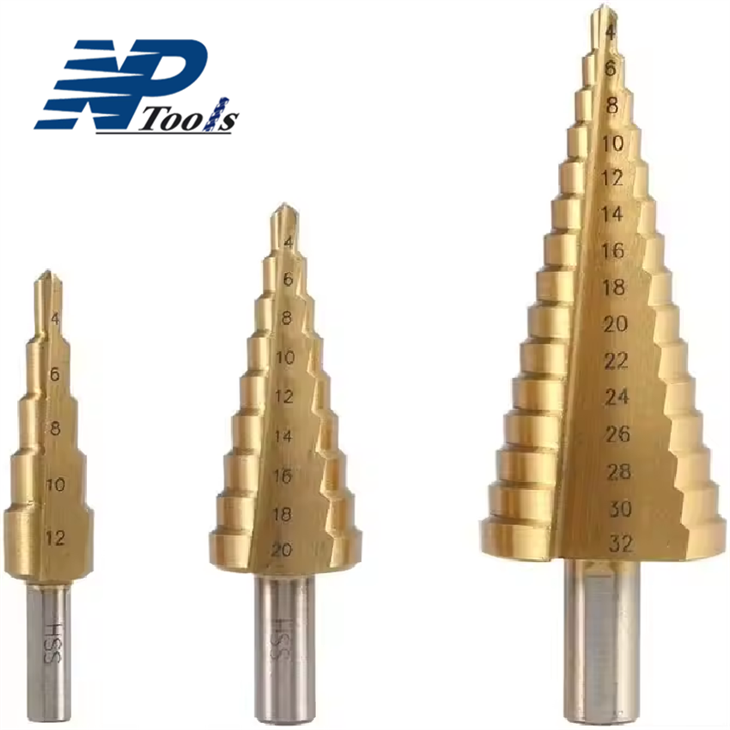
Before diving into the question, let's briefly understand what a straight flute step drill is. A straight flute step drill is a specialized drill bit that has multiple stepped diameters along its length. This design allows it to drill holes of different sizes in a single operation, eliminating the need for multiple drill bits. The straight flutes of the drill facilitate the removal of chips during the drilling process, ensuring smooth and efficient operation.
Straight flute step drills are typically made from high-speed steel (HSS) or cobalt, which provides excellent durability and heat resistance. They are commonly used in a variety of applications, including metalworking, woodworking, and plastic fabrication.
Challenges of Drilling Angled Surfaces
Drilling angled surfaces presents several challenges compared to drilling flat surfaces. When drilling at an angle, the drill bit is more likely to wander or deflect, resulting in inaccurate hole placement and poor hole quality. Additionally, the cutting forces are unevenly distributed, which can cause the drill bit to wear out more quickly or even break.
Another challenge is the chip evacuation. On angled surfaces, chips tend to accumulate in the drill flutes, leading to clogging and reduced drilling efficiency. This can also cause overheating and damage to the drill bit.
Can a Straight Flute Step Drill be Used for Drilling Angled Surfaces?
The short answer is yes, a straight flute step drill can be used for drilling angled surfaces, but it comes with some limitations. The effectiveness of using a straight flute step drill on angled surfaces depends on several factors, including the angle of the surface, the material being drilled, and the drill bit's design and quality.
Angle of the Surface
For shallow angles (less than 15 degrees), a straight flute step drill can generally be used with reasonable success. At these angles, the drill bit can maintain relatively stable contact with the surface, and the cutting forces are not significantly affected. However, as the angle increases, the risk of wandering and deflection also increases.

For angles greater than 15 degrees, it is recommended to use a drill bit specifically designed for angled drilling, such as a Spiral Flute Step Drill. Spiral flute step drills have a helical flute design that provides better stability and chip evacuation on angled surfaces.
Material Being Drilled
The material being drilled also plays a crucial role in determining the suitability of a straight flute step drill for angled surfaces. Softer materials, such as wood and plastic, are generally easier to drill at an angle compared to harder materials, such as metal.
In softer materials, the drill bit is less likely to wander or deflect, and the chips can be more easily removed. However, in harder materials, the cutting forces are higher, and the risk of drill bit breakage is greater. Therefore, it is important to choose the appropriate drill bit and drilling parameters based on the material being drilled.
Drill Bit Design and Quality
The design and quality of the straight flute step drill also affect its performance on angled surfaces. A well-designed drill bit with sharp cutting edges and proper flute geometry will provide better stability and chip evacuation.
Additionally, the quality of the drill bit material is important. High-quality drill bits made from HSS or cobalt are more durable and heat-resistant, which is essential for drilling at an angle.
Tips for Drilling Angled Surfaces with a Straight Flute Step Drill
If you decide to use a straight flute step drill for drilling angled surfaces, here are some tips to help you achieve better results:
Use a Center Punch
Before drilling, use a center punch to create a small indentation on the angled surface. This will help the drill bit start in the correct position and reduce the risk of wandering.
Start with a Smaller Drill Bit
If possible, start with a smaller drill bit to create a pilot hole. This will help guide the larger step drill and improve the accuracy of the hole.
Apply Light Pressure
When drilling at an angle, apply light pressure to the drill to prevent the drill bit from wandering or deflecting. Let the drill bit do the work, and avoid forcing it into the material.
Use a Lubricant
Using a lubricant, such as cutting oil or coolant, can help reduce friction and heat during the drilling process. This will extend the life of the drill bit and improve the quality of the hole.
Clear the Chips Regularly
To prevent chip clogging, clear the chips from the drill flutes regularly. You can use a brush or compressed air to remove the chips.
Conclusion
In conclusion, a straight flute step drill can be used for drilling angled surfaces, but it is important to consider the angle of the surface, the material being drilled, and the drill bit's design and quality. For shallow angles and softer materials, a straight flute step drill can provide satisfactory results. However, for steeper angles and harder materials, it is recommended to use a spiral flute step drill.
If you have any further questions or need assistance in choosing the right drill bit for your application, please feel free to contact us. We are a leading supplier of high-quality straight flute step drills, and we are committed to providing our customers with the best products and services. Let's start a conversation about your drilling needs and explore how our products can meet your requirements.
References
- Machinery's Handbook, 31st Edition
- Drill Bit Handbook by Kennametal
- Precision Machining Technology by David A. Moscatelli